
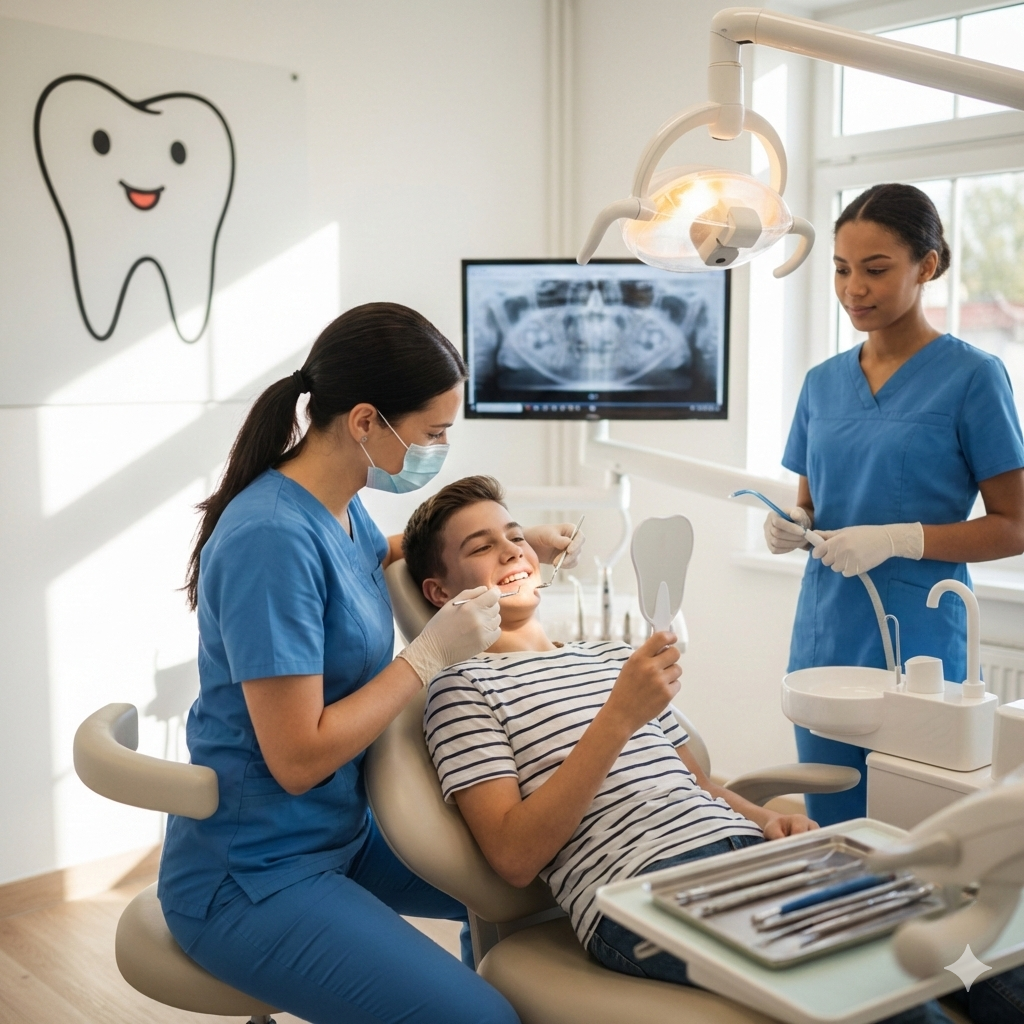
When a dental emergency strikes in Wilmington, knowing where to turn can make all the difference. Whether it’s a sudden toothache, a broken tooth, or severe swelling, immediate care can prevent further damage and relieve pain quickly. Emergency dental care in Wilmington is available to provide fast, professional help when unexpected dental issues occur.
Local dental clinics understand that emergencies don’t wait for office hours. They offer prompt attention, often with same-day appointments or after-hours services, to ensure patients get the care they need without unnecessary delay. Comfort and effective treatment are the priorities, using modern techniques to address urgent problems safely.
Having a trusted emergency dental provider nearby means less stress and better outcomes. If anyone in Wilmington faces a dental emergency, reaching out promptly can save teeth and ease discomfort. It’s always a good idea to know your options and be prepared before an urgent situation happens.
What Qualifies as a Dental Emergency?
Understanding when a dental issue requires immediate attention can save teeth and prevent serious complications. Symptoms vary from intense pain to visible damage, and recognizing these signs early is important for timely care.
Common Symptoms Requiring Urgent Care
Severe tooth pain, often described as sharp or throbbing, usually signals an urgent problem. This can be caused by infection, injury, or decay reaching the nerve. Swelling around the tooth or face, bleeding that won’t stop, or a broken tooth exposing nerves are also red flags.
Other urgent symptoms include a tooth knocked out completely or a loose tooth after trauma. Difficulty breathing or swallowing due to dental swelling demands immediate medical attention. Persistent bad taste or pus near a tooth suggests infection needing quick treatment.
Signs You Shouldn’t Ignore
Ignoring symptoms like ongoing pain that disrupts sleep or swelling that worsens over time can lead to bigger issues. A cracked or chipped tooth without pain still risks infection if not treated promptly. Noticeable changes in how teeth fit together may indicate damage after an accident.
If a dental crown or filling falls out, it’s best to seek care quickly to protect the tooth underneath. Persistent bleeding after a dental procedure should not be overlooked. Any signs of abscess—pain, redness, fever—should prompt an emergency visit.
Risks of Delaying Treatment
Delaying emergency dental care increases the risk of infection spreading to the jaw or bloodstream, which can be dangerous. Teeth damaged by trauma or decay are more likely to be lost without fast intervention. Pain and swelling usually worsen, making treatment more complicated and costly.
Ignoring infections may lead to abscesses needing surgery rather than simple root canals. Delays can also cause prolonged discomfort and difficulty eating or speaking. For this reason, timely treatment improves outcomes and preserves natural teeth whenever possible.
How Emergency Dental Care Works in Wilmington
Emergency dental care in Wilmington is designed to provide quick relief and effective treatment for serious dental problems. Patients can expect clear guidance on immediate actions, a smooth process during their visit, and options for care beyond regular office hours.
Immediate Steps to Take
When a dental emergency occurs, the first priority is to stop any bleeding and reduce pain. Rinsing the mouth gently with warm water and applying a cold compress can help control swelling. If a tooth is knocked out, it’s crucial to handle it carefully, avoiding touching the root, and place it in milk or saline solution to increase the chances of saving it.
Wilmington clinics often advise calling ahead to describe the issue. This helps them prepare and prioritize care based on injury severity. Prompt action can prevent complications and improve treatment outcomes.
What to Expect During Your Visit
Upon arriving, patients typically fill out a brief medical history and emergency details. The dentist will perform an exam, often including X-rays, to assess damage and plan treatment. Pain management is a priority, with options like local anesthesia or sedation if necessary.
The treatment might involve procedures like tooth repair, extraction, root canal, or managing soft tissue injuries. The dental team explains each step clearly to ensure patients feel comfortable and informed throughout the process.
After-Hours and Weekend Care Options
Wilmington has several dental offices and urgent care centers offering extended hours for emergencies. Many practices provide phone triage to advise on initial care and book appointments outside normal business times.
Some clinics offer walk-in availability or partnerships with hospital emergency rooms for severe cases. Knowing these options ahead of time helps patients get timely care without unnecessary delays or discomfort.
Types of Dental Emergencies Treated
Dental emergencies can involve sudden pain, damage, or dental work coming loose. Quick, appropriate action often prevents further problems and helps save teeth. Many situations require professional care but also simple immediate steps to minimize discomfort.
Toothaches and Abscesses
A toothache is a common dental emergency often caused by infection, decay, or damage to the tooth’s nerve. When an abscess forms, it means bacteria have created a pocket of pus, leading to swelling, pain, and sometimes fever.
These issues require prompt examination to identify the cause and start treatment, which may include antibiotics or root canal therapy. Over-the-counter pain relievers can be used for temporary relief but do not replace professional care. Avoid applying heat or cold directly to the sore area unless advised by a dentist.
Chipped or Broken Teeth
Chipping or breaking a tooth can happen from injury, biting hard foods, or decay. The damage can range from a small crack to a large break exposing the inner layers of the tooth.
It’s important to save any broken pieces and rinse the mouth with warm water. Patients should avoid chewing on the affected side and cover sharp edges with dental wax or sugar-free gum to protect soft tissues. Treatment options vary from smoothing and bonding to crowns, depending on the extent of the damage.
Knocked-Out Teeth
A knocked-out tooth is a dental emergency that requires immediate action to increase the chance of saving the tooth. The tooth should be handled carefully, holding it by the crown, not the root.
If possible, rinse gently with water without scrubbing and attempt to place it back into the socket. If reinsertion is not possible, storing it in milk or a specialized solution until reaching the dentist helps preserve it. Timely dental intervention is critical, ideally within an hour.
Lost Fillings or Crowns
Fillings and crowns can come loose due to decay, trauma, or wear. Losing them may expose sensitive tooth surfaces, causing pain or increasing the risk of infection.
In the meantime, a patient can use dental cement from a pharmacy to temporarily reattach the restoration or fill the gap with sugarless gum. Avoid chewing on the affected side and contact a dentist promptly to schedule repair or replacement and prevent further damage.
Modern Pain Relief and Comfort Options
Emergency dental care in Wilmington now includes several advanced methods to make treatment as comfortable as possible. These range from gentle anesthesia choices to techniques tailored for anxious patients. Patients also receive clear post-treatment instructions to manage discomfort effectively at home.
Gentle Anesthesia Solutions
Dentists often use local anesthesia to numb the specific area causing pain. This blocks nerve signals so patients feel no sharp pain during the procedure. For more extensive treatments, sedation options like nitrous oxide (laughing gas) or oral sedatives can help patients relax without losing full awareness.
Some clinics offer computer-controlled anesthesia delivery systems, which reduce the discomfort of injections by controlling the flow of anesthetic precisely. This technology minimizes pain often associated with needles.
Understanding individual needs is key; dentists will choose anesthesia methods based on the patient’s health, anxiety level, and the complexity of the emergency.
Comfort Techniques for Anxious Patients
Dental anxiety is common, especially during emergencies. Many Wilmington dentists create a calming environment using soft music and dim lighting. Some offer virtual reality headsets to distract and relax patients during treatment.
Breathing exercises and guided relaxation can also ease tension. Dentists may encourage patients to communicate openly and take breaks if stress becomes overwhelming.
For severe anxiety, sedation dentistry options are discussed, ensuring the patient receives care without distress. This thoughtful approach helps many overcome fear and get necessary treatment promptly.
Post-Treatment Care Tips
Proper care after emergency dental treatment can speed healing and reduce discomfort. Patients should follow these key tips:
- Take prescribed pain relievers as directed
- Apply ice packs to reduce swelling for the first 24 hours
- Avoid hard, hot, or spicy foods that may irritate the area
- Maintain gentle oral hygiene to keep the wound clean without disturbing stitches
If pain or swelling worsens after 48 hours, patients should contact their dentist immediately. Clear instructions and follow-up appointments ensure recovery stays on track and prevent complications.
Preventing Dental Emergencies
Taking clear steps every day can greatly lower the chances of sudden dental problems. Simple habits, protective gear, and regular dentist visits form the best defense against emergencies.
Daily Habits to Protect Your Smile
Brushing twice daily with fluoride toothpaste is essential to remove plaque and prevent cavities. Flossing once a day clears debris from between teeth where brushes can’t reach. Avoiding hard or sticky foods reduces the risk of cracked teeth or dislodged fillings.
Limiting sugary and acidic drinks helps keep enamel strong and reduces decay. Staying hydrated also supports saliva flow, which naturally protects teeth. If a child is involved, teaching them gentle brushing and not chewing on pens or ice can prevent many dental injuries.
Mouthguards for Sports and Night Grinding
Wearing a custom-fitted mouthguard during sports minimizes the risk of chipped or knocked-out teeth. Over-the-counter guards offer basic protection, but custom ones from a dentist fit better and are more comfortable for long use.
People who grind their teeth at night benefit from nightguards, which protect tooth surfaces from wear and prevent jaw pain. These guards act as a cushion against pressure and reduce the chance of cracks or fractures caused by grinding.
Routine Checkups and Cleanings
Regular dental exams identify early signs of problems before they turn urgent. Cleanings remove tartar buildup that brushing can’t handle, helping prevent gum disease and tooth decay.
During visits, dentists can also check for loose or weakened fillings and recommend repairs that avoid unexpected emergencies. Scheduling visits every six months, or as advised, keeps oral health on track and reduces the likelihood of painful surprises.
Choosing the Right Emergency Dentist in Wilmington
Finding an emergency dentist means looking beyond just availability. Patients need to feel confident that their care will be timely, professional, and tailored to their situation.
Qualities of a Trustworthy Practice
A reliable emergency dental practice in Wilmington is transparent about its hours and services. It should offer 24/7 availability or at least after-hours options, minimizing wait times during urgent situations.
Look for dentists with proper licensing and positive patient reviews. Clear communication about costs upfront helps prevent surprises. A caring staff that prioritizes patient comfort can make a huge difference during stressful dental emergencies.
Modern facilities equipped with up-to-date technology show a commitment to quality care. If sedation or pain management options are available, that adds to patient ease during treatment.
Questions to Ask Before Scheduling
Before booking, it’s important to inquire about key details. Ask if the dentist handles specific emergencies like tooth fractures or severe infections. You want to know whether the practice accepts your insurance and what payment plans exist.
Clarify how quickly they can see you, especially on weekends and holidays. Also, check if they provide detailed post-treatment guidance, as follow-up care often affects recovery.
Understanding appointment length and whether a referral to a specialist might be necessary can save time. These questions help ensure the dentist matches your urgent dental needs.
Benefits of Local Expertise
Dentists based in Wilmington understand common regional dental issues linked to diet, environment, or lifestyle. This insight allows for faster diagnosis and effective treatment plans.
Local emergency dentists often have connections to nearby specialists, labs, and pharmacies, streamlining the entire care process. Familiarity with the community means they can offer personalized aftercare support.
Choosing a Wilmington-based practice means easier access and less travel stress during emergencies. Patients benefit from continuity of care when their dentist knows the local healthcare landscape well.
When to Visit the ER vs. a Dental Office
Knowing where to go when a dental emergency happens can save time and reduce stress. The emergency room (ER) is best for situations that involve serious injuries or risk to overall health.
If someone has severe facial trauma, like a broken jaw or deep cuts bleeding heavily, they should go directly to the ER. Signs such as difficulty breathing, swelling that blocks the airway, or loss of consciousness also require immediate ER attention. In these cases, medical care is urgent and can stabilize the patient before dental treatment.
For issues like a knocked-out tooth, persistent severe toothache, or swelling from infection without immediate danger, visiting a dental office is usually the best choice. Modern dental clinics often have emergency slots and can treat these problems promptly, focusing on relief and preservation.
| ER Visit Needed When: | Dental Office Visit When: |
|---|---|
| Heavy bleeding, uncontrollable | Toothache lasting more than a day |
| Broken jaw or facial bone | Cracked or chipped tooth |
| Difficulty breathing or swallowing | Lost crown or filling |
| Loss of consciousness | Mild to moderate swelling |
Choosing the right place helps get the right care fast. If in doubt, calling your dental office first can guide the next steps. They can help manage pain or tell you if ER care is necessary.
Taking the Next Step Toward Relief
When dental pain strikes suddenly, knowing what to do next can make all the difference. Seeking prompt care in Wilmington helps prevent further damage and eases discomfort quickly.
Patients should contact their local emergency dentist as soon as possible. Many offices offer same-day appointments or after-hours care to handle urgent cases.
If you’re unsure whether your situation requires emergency attention, consider these signs:
| Emergency Signs | When to Act |
|---|---|
| Severe toothache or swelling | Immediate dental consultation |
| Knocked-out or broken tooth | Within an hour for best chance of saving the tooth |
| Bleeding that won’t stop | Seek emergency treatment promptly |
| Lost filling or crown with pain | Contact dentist same day |
Keeping a calm mindset helps patients focus on relief and treatment plans. Dentists in Wilmington provide gentle care, often starting with pain management before a full diagnosis.
Discussing symptoms openly ensures the dentist can tailor the approach. From simple fillings to root canals or extractions, modern options prioritize comfort and lasting results.
Encourage anyone experiencing dental emergencies to reach out without delay. Early action improves outcomes and helps restore smiles faster.
Frequently Asked Questions
Understanding how to respond quickly and effectively to dental problems can make a big difference. Knowing when to seek care and what steps to take at home helps manage discomfort and protect your teeth.
What should I do if I experience sudden tooth pain?
If sudden tooth pain strikes, rinse your mouth with warm water and use dental floss to remove any trapped food. Avoid very hot or cold drinks and take over-the-counter pain relievers if needed.
How can I tell if a dental problem is an emergency?
Signs of an emergency include severe pain, swelling, bleeding, or a knocked-out tooth. If the issue affects your ability to eat, speak, or breathe normally, seeking prompt care is crucial.
Can a knocked-out tooth be saved with immediate care?
Yes. If you handle a knocked-out tooth carefully and see a dentist quickly, it may be possible to save it. Keep the tooth moist by placing it in milk or saliva and avoid touching the root.
What are my options for after-hours dental emergencies?
Many dental offices in Wilmington offer emergency phone lines or on-call services. Urgent care clinics and hospital emergency rooms also provide help when a dentist isn’t available.
How can I manage dental injury at home before seeing a dentist?
Apply a cold compress to reduce swelling and take pain relievers as directed. Avoid chewing on the affected side and keep your head elevated to limit discomfort.
What steps should I take if I have a broken tooth?
Rinse your mouth gently with warm water and save any tooth fragments. Cover sharp edges with dental wax or sugar-free gum to protect your mouth until you can get professional care.