
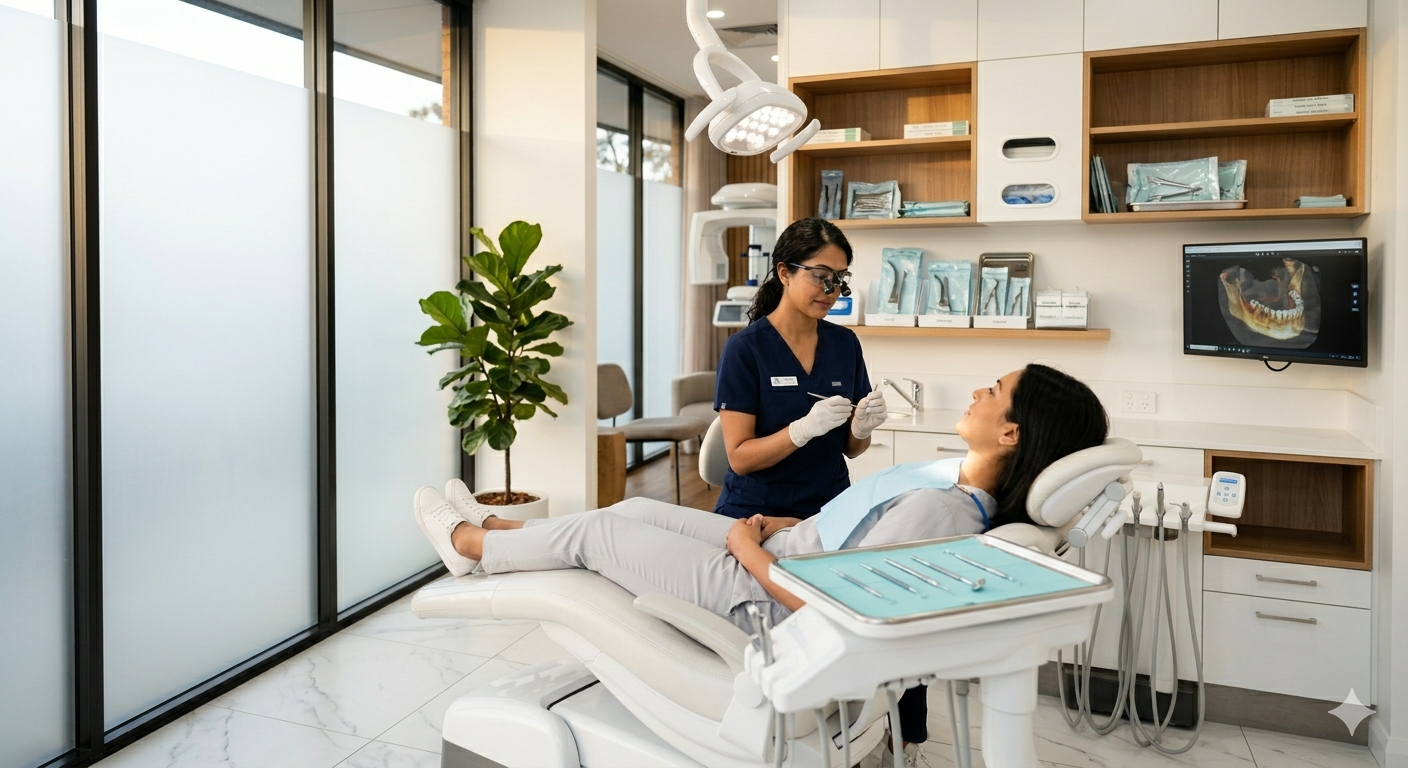
Dental implants in Wilmington, NC, offer a reliable solution for those missing teeth or seeking a permanent alternative to dentures. They provide a natural look and feel, restoring both function and confidence in everyday activities like eating and speaking.
Patients in Wilmington can expect modern implant techniques designed to minimize discomfort and speed up healing. Many local dental professionals focus on personalized care to ensure each implant fits perfectly and lasts for years.
Understanding the basics of dental implants and what to expect from the process can help ease any worries. Those curious about implants or considering them should reach out to a trusted Wilmington dentist to explore their options and find the best plan for their smile.
Understanding Tooth Loss
Tooth loss can happen for a variety of reasons, and it brings several challenges that affect daily life and overall well-being. It’s important to recognize what causes teeth to go missing and how it can impact both function and health.
Common Causes of Missing Teeth
Most tooth loss results from gum disease (periodontitis) and tooth decay. When gum disease advances, it attacks the tissues supporting teeth, causing them to loosen and eventually fall out. Cavities that go untreated can damage a tooth beyond repair, leading to extraction.
Other causes include trauma from accidents, grinding teeth (bruxism), and certain medical conditions like diabetes. Sometimes, teeth fail to develop properly, or wisdom teeth are removed to prevent crowding. Age alone does not cause tooth loss, but older adults are more prone due to long-term dental health wear.
Daily Challenges Without Teeth
Missing teeth impact more than appearance. Chewing becomes harder, which can limit food choices and reduce proper nutrition. Speech might be affected, making some words difficult to pronounce.
Self-confidence often takes a hit because many people feel self-conscious about gaps. Eating and speaking challenges can cause frustration or embarrassment in social situations. Additionally, missing teeth can lead to uneven pressure on remaining teeth, causing wear or jaw pain.
How Tooth Loss Affects Your Health
Tooth loss affects overall health in subtle but important ways. The jawbone shrinks without the stimulation teeth roots provide, which can change facial structure over time. This bone loss also makes future dental treatments more complicated.
Poor chewing can lead to digestive problems due to inadequate breaking down of food. Studies link missing teeth to increased risk of heart disease and diabetes, likely because oral health reflects broader health issues. Addressing tooth loss promptly helps protect both oral and general health.
What Makes Dental Implants Unique?
Dental implants stand out in tooth replacement because they combine durability, function, and a natural appearance. Their design and placement give patients a lasting solution that feels more like real teeth than traditional options.
How Implants Work
Dental implants are small titanium posts surgically placed into the jawbone. Over several months, these posts fuse with the bone in a process called osseointegration, creating a stable foundation. This stability allows implants to support crowns, bridges, or dentures securely.
Unlike removable dentures, implants anchor directly to the bone, which helps preserve jaw structure. This integration avoids bone loss that often occurs after tooth loss. The process might sound complex, but modern techniques make implant placement precise and comfortable for patients.
Benefits Over Dentures and Bridges
Implants don’t rest on gums like dentures do; this reduces irritation and improves comfort. Unlike bridges, implants don’t require altering nearby healthy teeth to support the restoration. This preserves natural tooth structure, which is better for long-term oral health.
Patients with implants enjoy better chewing ability and clearer speech compared to those using dentures. Since implants are fixed, there’s no risk of slipping or clicking, which often causes embarrassment or discomfort with removable options.
Natural Look and Feel
Dental implants are designed to mimic the look and function of natural teeth closely. The crowns attached to implants are custom-made to match the color, shape, and size of surrounding teeth. This results in a seamless, attractive smile.
Because implants are firmly anchored, they feel like real teeth when biting or chewing. This strong connection allows patients to eat a wider range of foods without worry. The sensation and appearance give a confidence many lose after tooth loss.
Who Can Benefit Most
Dental implants are a reliable solution for many people looking to replace missing teeth. The suitability depends on oral health, bone condition, and lifestyle habits. Understanding these factors helps determine who is most likely to have a successful implant experience.
Ideal Candidates for Implants
Ideal candidates have good overall health and healthy gums free from periodontal disease. They should have enough jawbone density to support the implant or be willing to undergo bone grafting if needed.
People missing one or more teeth who want a long-lasting, natural-feeling replacement often benefit. Those who have trouble with dentures or bridges may find implants a more secure option.
Candidates should also commit to maintaining regular dental visits and proper oral hygiene to ensure implant success over time.
Considerations for Bone Health
Sufficient bone in the jaw is critical because implants need a solid base to integrate properly. Without enough bone, implants might fail or become unstable.
Bone loss can occur due to prolonged tooth loss, gum disease, or certain medical conditions. Dentists often use X-rays or 3D scans to assess bone quality before recommending implants.
If bone volume is low, techniques like bone grafting or sinus lifts can rebuild the site to support an implant. This requires additional healing time but greatly improves chances for success.
Lifestyle Factors That Matter
Smoking negatively affects implant healing and increases the risk of failure by reducing blood flow to the gums. Patients who quit smoking before and after the procedure generally have better outcomes.
Good nutrition and overall health also play a role in healing. People with uncontrolled diabetes or certain autoimmune diseases need a thorough evaluation to minimize complications.
Following a dentist’s advice on oral care, avoiding excessive alcohol, and maintaining routine cleanings are key habits for anyone considering implants. These efforts help protect the investment and promote lasting oral health.
The Dental Implant Treatment Journey
Dental implant treatment involves several carefully planned steps designed to restore both function and appearance. From the initial consultation through healing and final restoration, patients experience a structured process supported by modern technology and focused on comfort.
Step-by-Step Placement Process
The journey begins with a thorough evaluation, including X-rays or 3D scans, to assess bone structure and plan implant placement. The dentist then places a titanium post into the jawbone, which acts as the implant’s root. This step requires minor surgery and is usually done under local anesthesia.
After placement, a healing period of several months allows the implant to fuse with the bone, a process called osseointegration. Once healed, the dentist attaches an abutment to the implant. Finally, a custom-made crown is placed on top, matching the natural teeth in shape and color.
Advanced Technology in Modern Dentistry
Modern dental offices in Wilmington, NC use digital tools like cone-beam computed tomography (CBCT) for precise imaging. This allows dentists to create a detailed 3D map of the jaw, improving implant placement accuracy.
Computer-guided surgery can reduce invasiveness and improve healing times. Digital impressions replace traditional molds, making the process quicker and more comfortable. These technologies help ensure each implant is tailored to the patient’s unique anatomy, promoting better outcomes.
What to Expect at Each Visit
The first visit includes a consultation and diagnostic imaging. The dentist discusses treatment options and prepares a personalized plan. Preparation may involve tooth extraction or bone grafts if needed.
During the implant placement appointment, local anesthesia keeps the patient comfortable while the post is inserted. Follow-up appointments monitor healing and ensure the implant integrates properly.
The final visit involves fitting the crown. Dentists check bite alignment and aesthetics carefully. Patients learn about care and maintenance to keep their new implant healthy.
Ensuring Comfort During Treatment
Patient comfort is a priority throughout the implant process. Dentists use local anesthesia and sedation options like nitrous oxide for anxiety management. They also provide detailed aftercare instructions to reduce swelling and discomfort.
The healing period allows gradual adjustment and minimizes pain. Staff frequently check in with patients to address concerns or complications quickly. This approach helps patients feel calm and confident from start to finish.
Caring For Your New Smile
Maintaining a dental implant requires consistent care and attention to keep it healthy and functional. Proper cleaning, mindful eating, and regular dental checkups all work together to protect your investment and ensure lasting results.
Daily Oral Hygiene Tips
Dental implants need daily care just like natural teeth. Patients should brush twice a day with a soft-bristled toothbrush to avoid damaging the gum tissue around the implant. Using a low-abrasive toothpaste helps protect the implant’s surface and surrounding gums.
Flossing is crucial to remove plaque between teeth and the implant. Special floss or interdental brushes designed for implants make cleaning easier. Rinsing with an antimicrobial mouthwash can reduce bacteria and support gum health without irritation.
Foods to Enjoy and Avoid
Right after implant surgery, soft foods like yogurt, mashed potatoes, and smoothies are best during the healing phase. Avoid hot, spicy, crunchy, or sticky foods that might irritate the surgical site or loosen the implant.
Once healed, patients can eat most foods but should limit very hard items like ice, hard candy, or tough nuts that risk damaging the implant crown. Balanced nutrition supports gum tissue healing and overall oral health, so eating fruits, vegetables, and lean proteins is encouraged.
Long-Term Success and Maintenance
Regular dental visits are vital for monitoring implant health. Dentists check for any signs of gum inflammation or implant movement. Professional cleanings remove plaque buildup that daily brushing might miss.
Avoiding tobacco and managing chronic health issues like diabetes support implant longevity. If any discomfort, swelling, or unusual symptoms occur, patients should contact their dentist promptly to address concerns early and prevent complications.
Choosing a Dental Provider in Wilmington NC
Finding the right dental provider for implants involves checking credentials, experience, and patient comfort. It’s important to know what makes a dentist a good fit and what questions to bring up during your visit.
What to Look For in an Implant Dentist
A qualified implant dentist in Wilmington NC should have specialized training in implant dentistry, often through certifications or continuing education courses. Experience matters; dentists who regularly place implants tend to have higher success rates and smoother procedures.
Look for a provider who uses modern technology, such as 3D imaging or guided implant surgery, to ensure precision and safety. Reviews and patient testimonials can reveal how well the office handles patient comfort and post-op care. A clean, welcoming office with a friendly team can help reduce any anxiety about the procedure.
Questions to Ask at Your Consultation
During your consultation, ask about the dentist’s specific experience with implants—how many they’ve placed and the types of implants used. Inquire about the treatment timeline, including healing periods and follow-up visits.
It’s important to understand costs clearly: Does the price cover surgery, the crown, and any necessary bone grafts? Ask about sedation options to manage any nervousness during the procedure. Finally, discuss what kind of support you’ll receive after the implant is placed, such as emergency contact or regular check-ups.
Affording Your Tooth Replacement
Covering the cost of dental implants often involves exploring several financial options to make treatment manageable. Understanding insurance coverage and flexible payment plans can make a significant difference. It’s also important to weigh the long-term value of implants against other tooth replacement methods.
Insurance and Payment Plans
Many dental insurance plans provide partial coverage for implants, but it varies widely by provider and policy. Typically, insurance may cover preliminary procedures like extractions or X-rays but not the implant fixture itself. Patients should ask their insurer for specific details before starting treatment.
Flexible payment plans are commonly offered by dental offices to ease upfront costs. These plans often allow monthly payments over several months or years with little or no interest. Some offices also accept financing through third-party companies, making implants accessible without a large immediate expense.
Patients are encouraged to discuss all available options with their dental office’s financial coordinator. Clear communication helps avoid surprises and allows a treatment schedule that fits both dental health needs and budget.
Finding Value in Your Investment
Dental implants tend to cost more upfront than dentures or bridges, but they offer durability and function closer to natural teeth. They can last decades with proper care, reducing future dental expenses.
Beyond longevity, implants help preserve jawbone health and prevent the shifting of surrounding teeth. These benefits contribute to improved oral health and quality of life over time.
When evaluating costs, consider potential savings on repairs, replacements, and oral health complications. Investing in an implant often means fewer dental visits and treatments later on.
Patients should weigh these factors carefully and talk through their priorities during consultations to make informed decisions.
Life After Treatment
After dental implant surgery, patients can expect a period of adjustment followed by a return to normal activities. Managing comfort and caring for implants properly ensures the best long-term results and confidence in daily life.
Adjusting to Your Restored Smile
Getting used to dental implants often takes a few weeks. Initially, mild swelling or sensitivity may occur, but these symptoms usually fade as healing progresses. The implants feel stable and natural compared to dentures, offering improved comfort.
Patients should practice good oral hygiene, including brushing twice a day and flossing around the implant area. Regular dental check-ups help monitor healing and address any concerns early. Eating softer foods at first makes the transition smoother.
Gradually, speech and chewing improve. Implants do not slip or cause irritation like removable dentures, allowing patients to smile and talk without worry. This stability builds confidence in social and professional settings.
Returning to Daily Activities with Confidence
Dental implants allow most patients to resume their usual activities quickly. After healing, individuals can eat a varied diet without restrictions, including tougher foods like apples or nuts.
Physical activities, including sports, pose no special risk to implants once healed. Patients should maintain regular dental visits and avoid habits like smoking or chewing hard objects to protect implant health.
With proper care, implants can last decades, functioning like natural teeth. This durability supports active lifestyles and helps maintain facial structure, preventing bone loss. Patients often feel reassured knowing their restored smile supports their daily routine comfortably and reliably.
Take the Next Step
If someone is considering dental implants in Wilmington, NC, the next logical step is to schedule a consultation with a trusted local dentist. This visit allows the dental team to assess oral health, discuss goals, and create a personalized treatment plan.
During the consultation, patients can ask questions about the procedure, recovery time, and costs. Knowing what to expect helps reduce anxiety and ensures everyone feels comfortable moving forward.
Here’s what patients can expect at their first appointment:
| Step | What It Involves |
|---|---|
| Oral Examination | Checking bone health and gum condition |
| Imaging | X-rays or 3D scans for precise planning |
| Discussion | Reviewing options and addressing concerns |
Taking this initial step also shows commitment to improving overall dental health. Dental implants not only replace missing teeth but also support jawbone strength and restore confidence.
Encouraging patients to reach out if they have any doubts or need more information is important. The dental team in Wilmington is ready to guide them through each stage with care and expertise.
Frequently Asked Questions
Dental implants in Wilmington, NC, offer reliable tooth replacement, but many patients have questions about candidacy, treatment length, comfort, and how implants compare to other options. Understanding these details helps make the process smoother and less intimidating.
Am I a good candidate for a dental implant, and what might prevent me from getting one?
Candidates need healthy gums and enough bone to support the implant. Conditions like uncontrolled diabetes, heavy smoking, or severe bone loss can affect eligibility.
A dentist will evaluate overall health and may suggest treatments like bone grafts to prepare the site. Age is rarely a limiting factor if oral health is good.
What’s the difference between getting implants from a periodontist versus an oral surgeon?
Periodontists specialize in gum health and placing implants with a focus on soft tissue care. Oral surgeons handle more complex bone and jaw surgeries along with implant placement.
Both can perform implant surgeries safely, but your choice depends on your specific needs and the complexity of your case.
How long does the dental implant process usually take from start to finish?
The entire process typically spans several months, often 3 to 6 months or more. This timeframe allows for implant placement, healing, and then fitting the final crown.
Sometimes, same-day implants are possible but depend on bone quality and individual assessment.
Will getting an implant hurt, and what kind of sedation or comfort options are available?
Most patients experience minimal discomfort due to local anesthesia. Some clinics also offer sedation options like nitrous oxide or oral sedatives for added relaxation.
Post-procedure soreness is usually manageable with over-the-counter painkillers and settles within a few days.
Can dental implants help improve my bite or stop shifting teeth?
Yes, implants act like natural tooth roots and keep adjacent teeth from shifting. They restore proper bite function and help maintain jawbone density, which prevents further dental issues.
This stability adds to overall oral health, making chewing and speaking easier.
How do implants compare to dentures for comfort, chewing, and long-term care?
Implants feel more natural and secure compared to dentures. They allow stronger biting force and don’t require adhesives or removal for cleaning.
While implants need regular dental care like natural teeth, dentures may require more frequent adjustments and proper nightly cleaning to avoid infections.