
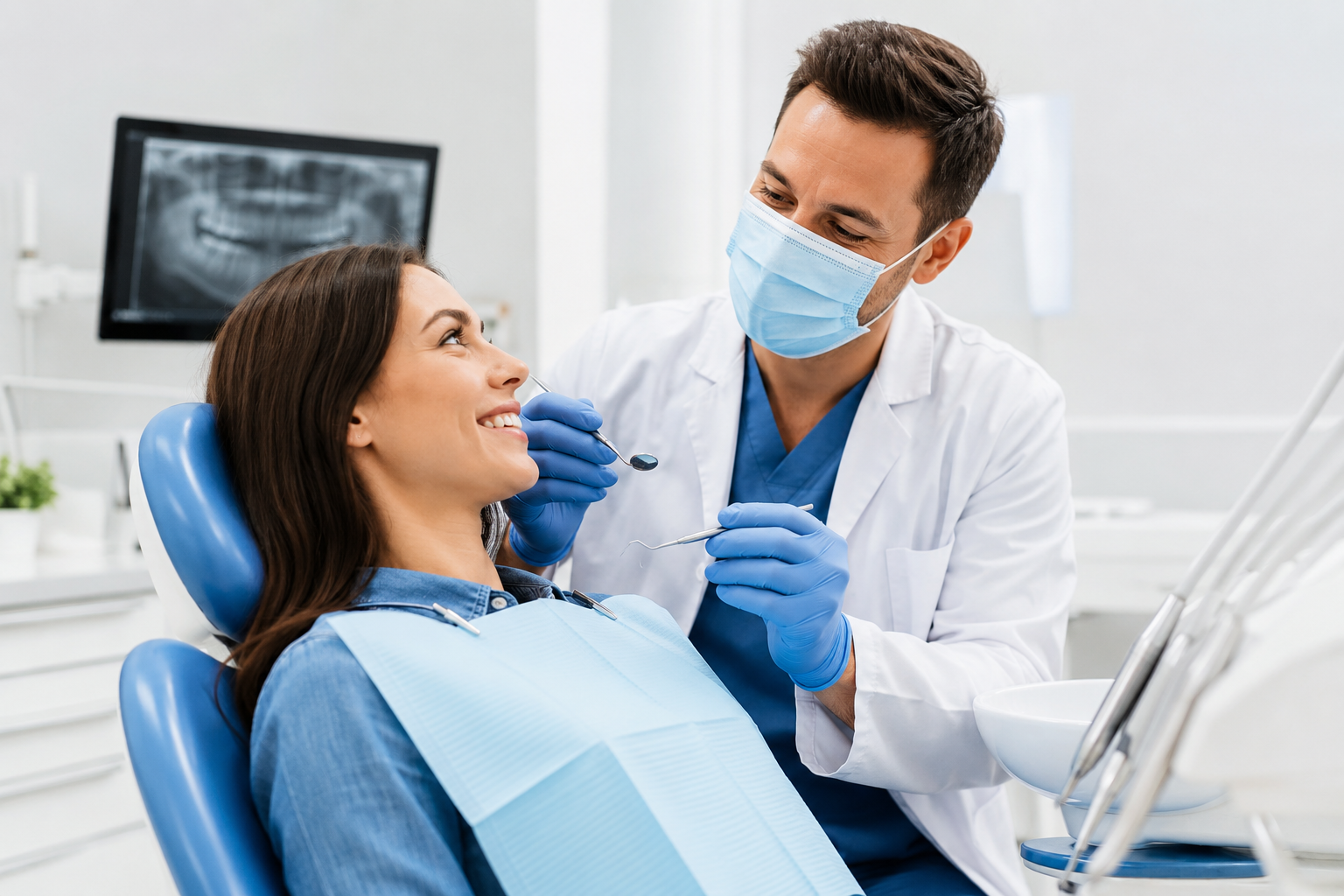
You can get help quickly for severe tooth pain, a knocked-out tooth, or an infection that won’t wait — local Wilmington emergency dentists stand ready to treat problems that need immediate attention. If you’re facing intense pain, uncontrolled bleeding, or a tooth that’s been dislodged, seek emergency dental care right away to protect your health and save your tooth when possible.
They explain what signs mean urgent care is necessary, what to expect during an emergency visit, and how to manage aftercare so you feel supported from the moment you call. Learn where to find trusted Wilmington dentists, how to prepare before an emergency happens, and which local resources can help your family stay safe and pain-free.
Signs You Need Urgent Dental Care
Severe pain, visible damage, or sudden swelling are common reasons people seek emergency dental help. Quick recognition of these signs helps protect teeth, prevent infection, and reduce the need for more invasive treatment.
Severe Tooth Pain
Persistent, throbbing tooth pain that lasts more than 24 hours or wakes someone from sleep usually signals a serious issue such as an infected nerve, deep cavity, or abscess. Pain that increases with heat, pressure, or bending over suggests increased pressure inside the tooth or surrounding tissues and requires prompt evaluation.
If pain follows a recent dental procedure or trauma, it may indicate complications that need urgent attention. Over-the-counter pain relievers can offer short-term relief, but they do not treat the underlying problem. A dentist can perform tests, take X-rays, and recommend targeted treatments like root canal therapy or extraction to stop pain and save surrounding teeth.
Broken or Knocked-Out Teeth
A cracked, chipped, or fractured tooth can expose the inner pulp and rapidly lead to infection if not treated. For a knocked-out tooth, time matters: keeping the tooth moist and seeing a dentist within 60 minutes offers the best chance for reimplantation. Handle an avulsed tooth by its crown only, rinse gently with saline or milk if dirty, and try to reinsert it if possible.
For non-reimplantable fractures, temporary stabilizing, crowns, or extraction followed by replacement options (implant, bridge, or denture) will be discussed. Immediate care reduces pain, preserves jaw function, and improves cosmetic outcomes.
Sudden Swelling or Bleeding
Rapid facial or gum swelling—especially with fever, difficulty breathing, or trouble swallowing—may indicate a spreading infection and requires immediate care. Localized swelling with throbbing pain or a bad taste in the mouth often accompanies an abscess that needs drainage and antibiotics.
Uncontrolled oral bleeding after trauma or a procedure also qualifies as urgent. Apply firm pressure with gauze and seek emergency treatment if bleeding soaks through gauze after 20–30 minutes. Dentists can control bleeding, assess for lacerations or bone injury, and provide sutures, antibiotics, or referral for advanced care when necessary.
Common Dental Emergencies Addressed
This section outlines urgent dental problems a Wilmington emergency dentist commonly treats, including infections, broken restorations, and tooth damage. It highlights immediate home-care steps and what to expect during emergency appointments.
Abscesses and Infections
Dental abscesses present as localized, throbbing pain, facial swelling, tooth sensitivity, and sometimes fever. They result from untreated decay, failed root canals, or gum disease and can spread if not treated promptly.
A dentist will evaluate with a clinical exam and often a radiograph to locate the infection. Treatment typically includes drainage, antibiotics when indicated, and either root canal therapy or extraction depending on tooth prognosis. Pain relief is managed with prescription or over-the-counter analgesics and cold compresses to reduce swelling.
Follow-up care focuses on eliminating the source and restoring oral function. Patients receive clear instructions on medication use, wound care, and signs that require immediate return, such as rising fever, spreading swelling, or difficulty breathing. Preventive steps include routine checkups and timely treatment of cavities and gum disease.
Lost Fillings or Crowns
A lost filling or crown exposes dentin and can produce sharp pain, temperature sensitivity, and food trapping. Immediate concerns include pain control, preventing further fracture, and avoiding swallowing or aspirating the restoration.
If available, a patient should keep the crown and bring it to the appointment. Temporary home measures include covering exposed tooth surfaces with dental cement from a pharmacy or sugar-free gum if dental material is unavailable. Avoid very hot or cold foods and chew on the opposite side.
At the office, the dentist assesses for decay, root stability, and whether the restoration can be re-cemented. Options include re-cementation, fabrication of a new crown, or placing a filling. The clinician will discuss timelines, cost estimates, and any need for root canal therapy if the pulp is compromised.
Chipped or Cracked Teeth
Chips and cracks vary from small enamel fractures to splits that reach the pulp. Symptoms can be minimal for minor chips or severe pain with biting, temperature sensitivity, and visible jagged edges for deeper cracks.
Initial at-home care includes rinsing with warm water, applying cold packs externally to control swelling, and covering sharp edges with a small piece of dental wax or sugar-free gum. Avoid chewing on the affected side and bring any tooth fragments to the appointment.
Treatment depends on severity: bonding or composite repair for small chips, veneers or crowns for larger fractures, and root canal plus crown if the pulp is involved. Cracks that extend below the gumline may require extraction. The dentist explains restorative options, expected longevity, and preventive tips to reduce future risk.
What to Expect During an Emergency Visit
Patients will receive a rapid comfort-focused intake, targeted diagnostics, and immediate treatments aimed at pain relief and preserving teeth. Staff communicate each step, estimate timelines, and outline follow-up care clearly.
Initial Assessment and Comfort Measures
When the patient arrives, a trained dental triage team asks specific questions: onset and intensity of pain, any swelling, bleeding, medical history, and current medications. They check vital signs if swelling or trauma is present and document allergies and recent medical procedures that could affect treatment.
A clinician conducts a focused oral exam to locate the problem tooth or soft-tissue injury. If swelling, fever, or spreading infection appears, they prioritize airway and systemic concerns and may contact a physician.
Comfort measures start immediately. Staff offer local anesthetic, prescribe short-term analgesics, or give a single-dose anti-inflammatory when appropriate. For anxiety, nitrous oxide or oral sedatives may be discussed. Clear communication about what will be done next helps reduce patient stress.
Diagnostic Tools Used
Digital X-rays (bitewing, periapical, or panoramic) provide high-resolution images within minutes to identify fractures, root issues, abscesses, or impacted teeth. Cone-beam CT is used selectively for complex trauma or suspected jaw fractures to visualize bone in three dimensions.
Pulp testing and percussion tests help determine nerve vitality and whether a tooth needs root canal therapy or extraction. Extraoral and intraoral photographs document injuries for records and insurance claims.
Point-of-care diagnostics may include medical-grade swabs for culture if infection appears unusual, and pulse oximetry to monitor oxygenation for sedated patients. The clinician explains each test’s purpose and typical timeframes before proceeding.
Immediate Treatment Options
Treatment focuses on relieving pain, controlling infection, and stabilizing teeth. For tooth fractures with exposed pulp, a protective dressing or partial pulpotomy can reduce pain and delay definitive care. Severe fractures may require extraction if the tooth is non-restorable.
For abscesses or facial swelling, the dentist may perform incision and drainage and prescribe antibiotics targeting oral bacteria, plus instruction on warm saline rinses. Root canal therapy on the same visit may be offered to preserve the tooth when feasible.
For traumatic displacement, dentists reposition and splint loose teeth using bonded composite and flexible splints for 1–4 weeks depending on injury. For soft-tissue lacerations, careful cleaning and suturing restore tissue and reduce infection risk. Each patient receives clear aftercare instructions, prescriptions as needed, and a recommended timeline for follow-up or specialist referral to finalize treatment.
Aftercare and Recovery Support
Patients receive practical steps to control pain, reduce infection risk, and protect healing tissues. Clear instructions on medications, follow-up care, and everyday habits speed recovery and help prevent repeat emergencies.
At-Home Pain Management
They should take prescribed pain medication exactly as directed; for example, 400–600 mg of ibuprofen every 6–8 hours unless contraindicated, alternating with acetaminophen if recommended by the dentist. If opioids are prescribed for severe cases, use the lowest effective dose for the shortest time and store them securely.
Cold packs applied to the cheek for 15 minutes on, 15 minutes off during the first 24 hours reduce swelling and numb pain. After 24–48 hours, warm compresses can relieve stiffness and promote circulation.
Avoid rinsing vigorously for 24 hours after extractions; after that, gentle saltwater rinses (½ teaspoon salt in 8 oz warm water) four times daily help keep the site clean. Soft foods like yogurt, mashed potatoes, and smoothies minimize chewing pain; avoid straws and hot beverages for 72 hours.
Watch for red flags: increasing fever above 101°F (38.3°C), spreading facial swelling, severe uncontrolled pain, or a foul taste/smell. Contact the emergency dentist or go to urgent care if any occur.
Follow-Up Recommendations
Schedule a follow-up appointment within 48–72 hours for most emergency procedures, or sooner if the dentist advised earlier review. This visit checks healing, removes sutures if present, and confirms infection control.
If antibiotics were prescribed, complete the full course even if symptoms improve within 24–48 hours. Bring any remaining medication and a list of reactions to report side effects like rash or gastrointestinal upset.
For restored teeth (crowns, fillings), avoid hard, sticky foods until the permanent restoration is placed. If a temporary crown dislodges, save it and contact the office that day to prevent tooth movement or further damage.
Document changes in symptoms and bring photos of swelling or wound sites to follow-up if swelling fluctuates between visits. This helps the dentist adjust treatment quickly.
Tips for Healing and Prevention
Maintain gentle oral hygiene: brush twice daily with a soft-bristled toothbrush and use interdental cleaners around adjacent teeth, avoiding direct trauma to surgical sites. Continue prescribed mouth rinses like chlorhexidine if given, typically for 1–2 weeks.
Quit tobacco and limit alcohol for at least 72 hours after procedures; smoking delays blood clot formation and raises infection risk. Hydrate and eat protein-rich, vitamin C–containing foods to support tissue repair.
Schedule routine dental cleanings and check-ups every 3–6 months if the emergency arose from decay or gum disease. Early restorations and periodontal care reduce the chance of repeat emergencies.
If pain, swelling, or bleeding persists beyond expected timelines, call the dentist. They can offer adjustments, imaging, or referrals to a specialist if necessary, ensuring recovery stays on track.
Choosing a Trusted Dental Professional in Wilmington
Patients should prioritize clear communication, timely emergency availability, and proven clinical experience. Insurance handling, written estimates, and transparent pain-management plans make urgent visits smoother.
Qualities to Look For
Look for dentists who list emergency hours prominently and publish provider credentials online. Confirm a minimum of 3–5 years performing urgent procedures like root canal therapy and dental extractions, or residency/fellowship training in emergency care.
Check patient reviews that mention same-day appointments, effective pain relief, and clear follow-up instructions. Ask whether the dentist provides written estimates and insurance billing assistance before treatment begins. Verify state licensing and any disciplinary history on the North Carolina Dental Board website.
Prioritize clinicians who explain risks and alternatives in plain language, offer sedation options if needed, and provide a written aftercare plan. Staff attitude matters: courteous intake, quick triage, and efficient scheduling reduce stress during an emergency.
Modern Technology and Approach
Confirm the office uses digital X-rays and cone beam CT when appropriate to speed diagnosis and lower radiation exposure. Digital imaging helps the dentist locate fractures or abscesses quickly, reducing guesswork during acute care.
Look for intraoral cameras and same-day crown milling (CAD/CAM) if restoration after an emergency is likely. These options shorten treatment timelines and often eliminate multiple visits.
Ask about minimally invasive techniques such as atraumatic extractions, bioceramic root canal materials, and local anesthetic monitoring. Inquire whether the practice uses electronic health records for faster communication with specialists and pharmacies.
Office Comfort and Accessibility
Choose a practice with central Wilmington locations near I-40 or major cross streets for faster travel during acute pain. Confirm parking availability, elevator access, and wheelchair ramps if mobility is a concern.
Evaluate office hours: clinics that keep at least one evening or weekend slot for emergencies improve chances of same-day care. Ask if they reserve time each day specifically for urgent walk-ins.
Notice the waiting area and operatory setup: quiet rooms, noise-reducing headphones, and blankets can ease anxiety. Check whether the clinic provides clear written aftercare, 24-hour emergency contact numbers, and follow-up appointment priority for urgent cases.
Preparing for Dental Emergencies Before They Happen
Good preparation reduces panic and speeds treatment when a tooth problem arises. Small habits, a ready contact list, and simple protective gear can prevent many emergencies and make urgent care smoother.
Maintaining Oral Health
They should schedule dental checkups every six months for professional cleanings, cavity checks, and early detection of cracks or infections. Regular fluoride toothpaste twice daily and flossing once daily reduce decay risk and the chance of sudden pain or root damage.
When fillings or crowns show wear, prompt repair lowers the odds of fracture under stress. Dentists can place nightguards for grinding (bruxism) to prevent tooth fractures and prescribe antimicrobial rinses for gum disease that can lead to abscesses. Keep a record of dental procedures and current medications to share with any emergency provider.
Emergency Contact Information
Keep a printed and digital list with the primary dentist’s phone, after-hours emergency line, and nearest 24-hour ER that handles dental trauma. Add the patient’s full name, DOB, allergies, current meds, and insurance policy number for quick reference.
Program the dentist and after-hours number into the phone under “Dentist—Emergency.” Store a photo of recent dental X-rays in secure cloud storage so clinicians can view prior images if needed. Post the contact list near the home phone and inside the glovebox of any frequently used car.
Protecting Teeth During Activities
They should wear a properly fitted mouthguard for contact sports and custom guards for athletes who clench or play collision sports. OTC boil-and-bite guards help recreational players; custom guards from the dentist offer better fit and protection for regular athletes.
Avoid using teeth to open packages, cut thread, or crack hard shells; use scissors or tools instead. When eating hard foods like whole nuts or bone-in meats, cut items into small pieces and chew on the back molars when possible to reduce sudden force on weakened teeth.
Helpful Resources For Local Families
Families in Wilmington can find reliable emergency dental care through several local and regional options. The Cape Fear Valley and New Hanover County health services list clinics and hotlines that update hours and services during holidays and storms.
Use this short checklist to keep essentials handy:
- Phone numbers: local emergency dentist, pediatric dentist, and nearest urgent care.
- Documentation: insurance cards, medication list, and recent dental records or X-rays.
- Home first aid: cold pack, gauze, over-the-counter pain reliever, and denture adhesive if needed.
Community centers and school nurses often maintain lists of pediatric-friendly dentists and can help with referrals. They also host dental screening events and fluoride programs that help prevent emergencies.
Below are quick links families should bookmark and call when needed:
| Resource | Why it helps |
|---|---|
| Local emergency dental offices | After-hours treatment and pain relief |
| Pediatric dentistry clinics | Child-focused care and calming techniques |
| Urgent care centers | For facial trauma or swelling beyond dental clinics |
| County health department | Sliding-scale programs and vaccine info |
They should also keep a simple action plan: stop bleeding with gentle pressure, place a knocked-out tooth in milk or saline, and call a dentist immediately. If breathing or severe swelling occurs, they must go to the ER or call 911.
Encourage parents to schedule regular checkups and ask their dentist about emergency preparedness. Call the chosen office ahead when possible to confirm availability and any pre-visit instructions.
Frequently Asked Questions
This section answers common urgent-tooth concerns residents in Wilmington face, including how to judge severity, immediate steps for trauma, local after-hours options, Saturday availability, Medicaid acceptance, and low-cost care choices.
How do I know if my tooth problem is a true dental emergency or something that can wait until tomorrow?
A true dental emergency involves uncontrolled bleeding, severe facial swelling that affects breathing or swallowing, intense tooth pain unrelieved by over-the-counter painkillers, or a tooth that has been completely knocked out.
Minor pain, a small chipped tooth without sharp edges, or mild sensitivity often can wait for the next available appointment.
What should I do right away if I chip, crack, or knock out a tooth before I can get to a dentist?
If a tooth is knocked out, rinse it gently with water, avoid scrubbing the root, and try to reinsert it into the socket if possible; otherwise keep it in milk or saline and get to a dentist within 60 minutes.
For a chip or crack, rinse the mouth, apply cold compresses to reduce swelling, and save any tooth fragments; cover sharp edges with sugarless gum or dental wax until seen.
Are there any local dentists who can see me after hours or provide 24/7 emergency care?
Several Wilmington dental practices list after-hours or on-call emergency services; hospital emergency departments can also triage severe dental infections or trauma outside regular office hours.
Call the dental office’s main number, check their website for an emergency contact, or call New Hanover Regional Medical Center if immediate hospital-level care is needed.
Which dental offices are open on Saturdays for urgent tooth pain or swelling?
Many private practices in Wilmington offer limited Saturday hours for urgent care; specific availability changes week to week.
Confirm by calling clinics such as Wilmington-area general or urgent dental clinics in advance and ask about same-day Saturday slots.
Do any nearby emergency dental clinics accept Medicaid, and what should I bring to my visit?
Some community dental clinics and federally qualified health centers in Wilmington accept Medicaid; acceptance varies by provider and by plan.
Bring a valid photo ID, current Medicaid card, proof of address, and a list of any medications or medical conditions to speed check-in.
Where can I find low-cost or free urgent dental care if I don’t have insurance?
Local federally qualified health centers, dental schools, and periodic community clinics often offer reduced-fee or sliding-scale urgent dental services.
Contact Cape Fear Community College’s dental hygiene program, Coastal Family Health Center, or the New Hanover County health department to learn about current low-cost urgent care options and necessary documentation.