
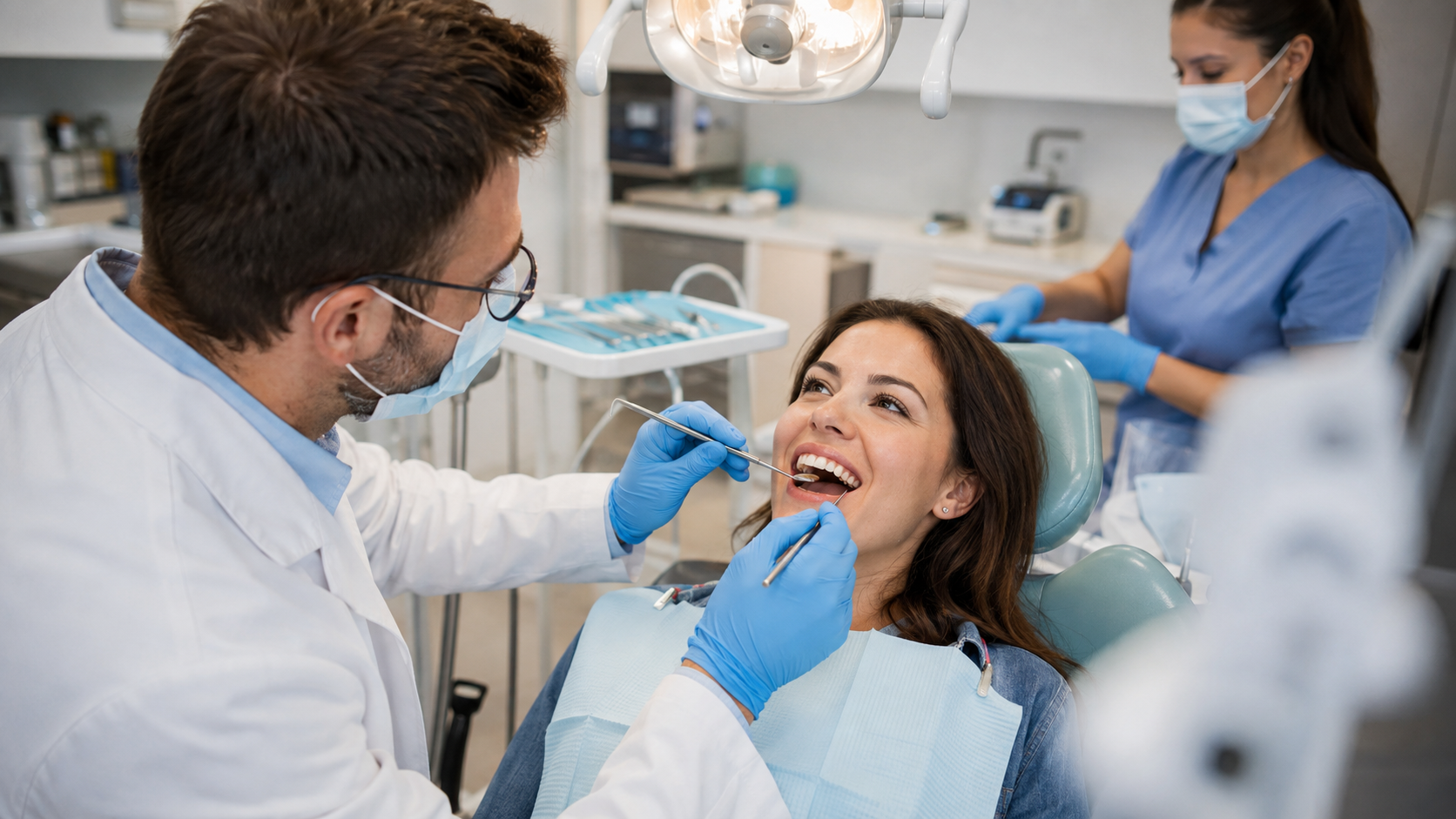
A smile can influence how someone feels in photographs, at work, and during everyday conversations. If stained, chipped, uneven, worn, or missing teeth are making you hesitant to smile, a cosmetic dental consultation can help you understand what may be possible.
Choosing a cosmetic dentist in Wilmington, NC, however, involves more than searching for the closest office. The right clinician should consider oral health, function, comfort, appearance, and long-term maintenance—not simply how teeth look on the day treatment ends.
This guide explains what cosmetic dentistry includes, how common treatments differ, what to expect during a consultation, and which questions can help patients make informed decisions.
This article provides general educational information and is not a diagnosis or a substitute for personalized dental care. A dentist must examine your teeth, gums, bite, and health history before recommending treatment.
What Does a Cosmetic Dentist Do?
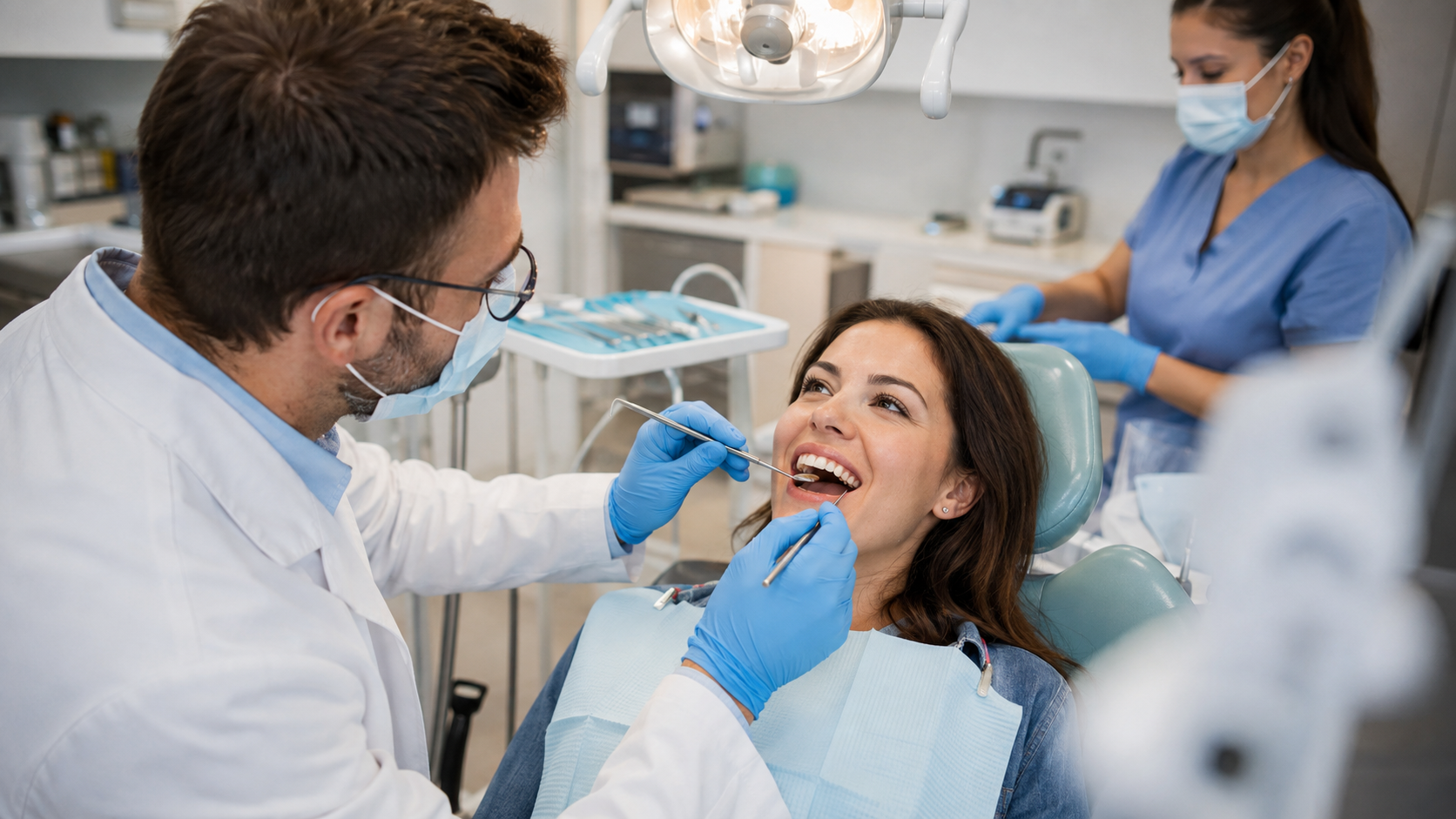
Cosmetic dentistry focuses on improving the appearance of teeth and the overall smile. Depending on the patient’s needs, it may address tooth color, shape, size, spacing, alignment, or symmetry. Some treatments are primarily cosmetic, while others can support both appearance and dental function.
For example, professional whitening is intended to brighten natural enamel. A crown, on the other hand, may improve a tooth’s appearance while also restoring a tooth that has been weakened or damaged. Dental implants may replace missing teeth, but they also involve surgical and restorative considerations that require careful evaluation.
According to the Cleveland Clinic’s overview of cosmetic dentistry, commonly discussed procedures include whitening, bonding, veneers, tooth contouring, and gum contouring. The appropriate option depends on the condition of the teeth and gums, the patient’s goals, and what can be maintained safely over time.
Common Cosmetic Dentistry Options
A cosmetic consultation does not automatically lead to extensive dental work. Sometimes one conservative treatment can make a noticeable difference. In other cases, several procedures may be combined in a phased smile makeover.
Professional Teeth Whitening
Professional whitening can reduce many stains associated with food, drinks, tobacco, and natural aging. A dentist can determine whether discoloration is likely to respond to whitening and check for cavities, gum irritation, exposed roots, or existing restorations before treatment.
Whitening affects natural tooth structure differently from crowns, fillings, bonding, or veneers. Because these restorations do not whiten in the same way as enamel, their color should be considered when planning treatment.
Dental Bonding
Bonding uses tooth-colored material to reshape selected areas of a tooth. It may be considered for small chips, minor gaps, uneven edges, or localized discoloration. Treatment is often more conservative than a veneer or crown, although bonded material can stain, wear, or chip and may eventually need repair.
Porcelain Veneers
Veneers are thin restorations placed over the visible surfaces of selected teeth. They may help change tooth color, shape, proportion, or spacing. Because veneer treatment may require altering tooth structure, patients should understand the preparation process, maintenance needs, alternatives, and whether the treatment is reversible before proceeding.
Dental Crowns
A crown covers more of a tooth than a veneer. It may be recommended when a tooth needs significant structural support in addition to an improved appearance. The dentist should first evaluate the tooth, surrounding gum tissue, bite, and any underlying decay or damage.
Clear Aligners or Other Orthodontic Treatment
When tooth position is the main concern, moving the teeth may provide a more appropriate result than covering them with restorations. Clear aligners can be discreet, but they are not suitable for every orthodontic problem. Results also depend on following wear instructions and using retainers as directed after active treatment.
Dental Implants
Dental implants may be an option for replacing certain missing teeth. Implant care typically includes several distinct stages: initial symptom recovery after a procedure, healing of the gum tissue, integration of the implant with the bone, and completion of the final restoration. These phases are not interchangeable, and timing varies based on oral health, bone quality, the treatment plan, and individual healing.
Implant placement is a surgical procedure with potential risks. A qualified clinician should explain the benefits, alternatives, expected stages, and patient-specific risks before treatment.
Gum Contouring and Full-Smile Planning
The gums create the frame around the teeth. In selected cases, changing the gumline can improve balance or reveal more of the visible tooth surface. Before cosmetic gum treatment, the dental team should confirm that the supporting tissues are healthy and that the proposed change is appropriate.
Patients with several concerns may benefit from a coordinated plan that combines preventive, restorative, orthodontic, and cosmetic care. Wilmington Smile Design Center’s cosmetic dentistry services include options such as whitening, implants, veneers, crowns, gum lifts, straightening, and individualized full-mouth rejuvenation planning.
Why Oral Health Comes Before Smile Design
A beautiful result needs a healthy foundation. Active decay, gum disease, infection, bite problems, or significant tooth grinding may affect which cosmetic treatments are appropriate and how well they hold up.
That does not always mean cosmetic care must be abandoned. It may simply need to occur in stages. A dentist might first stabilize gum health, repair decay, or address a damaged tooth. Once the mouth is healthy, cosmetic planning can proceed with fewer avoidable complications.
This is also why preventive care remains important after a smile makeover. Regular examinations, professional cleanings, daily brushing with fluoride toothpaste, and cleaning between the teeth help protect both natural teeth and dental restorations. Patients who clench or grind may also need a protective appliance, depending on their dentist’s findings.
What to Look for in a Cosmetic Dentist in Wilmington, NC
There is no single treatment that creates the right smile for everyone. When comparing dental offices, patients should look for a thoughtful planning process rather than a one-size-fits-all package.
A Comprehensive Examination
The dentist should evaluate more than the front surfaces of the teeth. A complete assessment may include the gums, existing dental work, bite, tooth wear, jaw comfort, and areas of decay or damage. Diagnostic images may be recommended when clinically appropriate.
Clear Explanations and Realistic Expectations
A trustworthy conversation should cover what a treatment can improve, what it cannot change, and which compromises may be involved. Cosmetic dental work is not permanent or maintenance-free. Longevity varies with the procedure, materials, oral hygiene, diet, bite forces, grinding habits, and accidental damage.
Personalized Smile Planning
Good cosmetic dentistry should complement the individual rather than produce the same smile for every patient. Tooth proportions, facial features, gum display, skin tone, age, and personal preferences may all shape the plan. Some patients want a bright and highly uniform smile; others prefer subtle changes that preserve natural variation.
A Focus on Comfort
Dental anxiety is common, and patients should feel comfortable discussing it. Ask how the team helps nervous patients, explains each step, manages sensitivity, and handles questions after treatment. Feeling heard is an important part of a positive dental experience.
Transparent Fees and Alternatives
Cosmetic dentistry costs vary because treatment plans are individualized. Fees may depend on the number of teeth involved, the materials selected, laboratory work, preparatory treatment, and the complexity of the case. Dental insurance often treats procedures performed solely for appearance differently from medically necessary restorative care.
Before agreeing to treatment, patients should request a written plan that identifies the proposed procedures, estimated fees, likely sequence, and payment expectations. It is also reasonable to ask about conservative alternatives or completing care in phases.
What Happens at a Cosmetic Dentistry Consultation?
A consultation usually begins with a conversation about what the patient likes and dislikes about their smile. Bringing photographs or describing a desired change can be helpful, but the goal should not be to copy someone else’s teeth. The dentist can help translate general preferences—such as “brighter,” “less crowded,” or “more even”—into realistic options.
The clinical portion may include an examination and, when needed, photographs, scans, impressions, or diagnostic imaging. The dentist then reviews possible treatments and explains how each choice could affect tooth structure, comfort, function, maintenance, and cost.
Patients should not feel pressured to decide immediately. For elective treatment, taking time to review the plan and ask follow-up questions is appropriate.
Helpful Questions to Ask
- Which treatment options could address the main concern?
- Is there a more conservative alternative?
- Will healthy tooth structure need to be removed?
- How could the treatment affect the bite or gum health?
- What maintenance will the result require?
- What are the possible risks and limitations?
- What happens if a restoration chips, stains, loosens, or wears?
- Can treatment be completed in stages?
- What fees are included in the written estimate?
Frequently Asked Questions
Is cosmetic dentistry only about appearance?
Not always. Whitening is mainly cosmetic, but crowns, implants, orthodontic treatment, and other procedures may also improve function or restore damaged or missing teeth. The reason for treatment and the condition of the mouth determine whether care is cosmetic, restorative, or a combination of both.
How long do cosmetic dental results last?
There is no universal timeline. Whitening gradually fades, while bonding, veneers, crowns, and implants have different maintenance needs and potential lifespans. Oral hygiene, grinding, diet, material selection, bite forces, and regular dental care can all influence durability. A dentist can provide a more relevant estimate after examining the patient and discussing the specific procedure.
Can cosmetic dentistry fix crooked teeth?
Minor shape or spacing concerns may sometimes be addressed with bonding or veneers, but orthodontic treatment may be more appropriate when tooth position or bite alignment is the underlying issue. An examination is necessary to compare options safely.
Does cosmetic dentistry hurt?
Comfort varies by procedure and individual sensitivity. Some treatments require little or no tooth preparation, while others may involve local anesthesia and a short adjustment period. The dental team should explain what sensations to expect and how discomfort or sensitivity can be managed.
Will dental insurance cover cosmetic treatment?
Plans commonly limit coverage for treatment performed only to improve appearance. However, a procedure that also restores a damaged or missing tooth may receive partial coverage, depending on the plan and clinical circumstances. Patients should review a written estimate and confirm benefits directly with their insurer.
Can someone receive cosmetic treatment if they have gum disease?
Active gum disease generally needs to be evaluated and managed before elective cosmetic work. Healthy gums support the appearance, comfort, and stability of the final result. The treatment sequence depends on the severity of the condition and the dentist’s findings.
Take the Next Step Toward a Healthier, More Confident Smile
Choosing a cosmetic dentist is a personal decision. The best starting point is a careful evaluation, an honest discussion of goals, and a plan that respects both oral health and personal preferences. Patients should feel informed—not rushed—and understand the benefits, limitations, costs, and maintenance associated with each option.
Wilmington Smile Design Center welcomes questions from patients considering cosmetic dentistry. To discuss possible next steps with Michele L. Simpson, DDS, contact the practice or request a consultation at 701 Piner Rd #160, Wilmington, NC 28409. A personalized examination can help determine which options, if any, are appropriate for your smile.