

Unlike braces, which use brackets and wires, Invisalign treatment uses a planned series of removable, custom-made aligners. Each aligner is designed to guide the teeth gradually toward the positions established in the patient’s treatment plan.
That does not mean clear aligners are the right choice for every smile. Successful treatment depends on the condition of the teeth and gums, the type of movement needed, and the patient’s ability to follow the recommended routine. A dental evaluation is the best way to learn whether Invisalign may be appropriate.
This article provides general educational information and is not a diagnosis or personalized treatment recommendation. Patients should consult a qualified dental professional about their oral health, treatment options, risks, expected timeline, and costs.
What Patients Should Know About Invisalign
How does Invisalign work?
Invisalign aligners are thin, clear trays shaped to fit over the teeth. Treatment involves wearing a sequence of aligners rather than one set for the entire process. As the patient moves through the sequence according to the dentist’s instructions, the aligners apply controlled pressure to support planned tooth movement.
Before treatment begins, the dentist evaluates the patient’s teeth, gums, bite, dental history, and smile goals. Records such as photographs, dental imaging, or digital scans may be needed to understand the starting position of the teeth and develop a customized plan.
Some treatment plans may include small, tooth-colored attachments placed on selected teeth. These features can help the aligners grip the teeth and carry out particular movements. Not everyone needs the same attachments or procedures, which is one reason an individual consultation matters.
What concerns may clear aligners address?
Professional Teeth Whitening
Professional whitening can reduce many stains associated with food, drinks, tobacco, and natural aging. A dentist can determine whether discoloration is likely to respond to whitening and check for cavities, gum irritation, exposed roots, or existing restorations before treatment.
Whitening affects natural tooth structure differently from crowns, fillings, bonding, or veneers. Because these restorations do not whiten in the same way as enamel, their color should be considered when planning treatment.
Dental Bonding
Depending on the individual case, clear aligner therapy may be considered for concerns such as:
- Crowded or overlapping teeth
- Spaces or gaps between teeth
- Teeth that have shifted after previous orthodontic treatment
- Certain bite or alignment concerns
- Cosmetic concerns involving uneven tooth position
The appearance of a smile is only one part of treatment planning. A dentist also considers how the upper and lower teeth meet, whether the teeth have enough room to move, and whether any existing dental problems should be managed first.
More involved alignment or bite concerns may require a different orthodontic approach or a referral to an orthodontist. The goal of a consultation is not simply to provide aligners; it is to identify an option that makes sense for the patient’s overall oral health.
Why do patients consider Invisalign?
One of the main reasons patients ask about Invisalign is its low-profile appearance. The aligners are clear, so they tend to be less noticeable than metal brackets and wires. This can be especially appealing to adults who speak with clients, attend social events, or simply prefer a subtle treatment option.
The trays are also removable. Patients can take them out when eating and while brushing and flossing. As a result, there are generally fewer food-related limitations than there are with fixed braces. Removability can also make it easier to maintain a familiar oral hygiene routine.
Convenience, however, comes with responsibility. Aligners only work as planned when patients wear and change them according to their dentist’s directions. Frequently forgetting to replace the trays after meals may interfere with progress. Anyone considering Invisalign should be honest about whether that daily commitment fits their habits.
What happens during an Invisalign consultation?
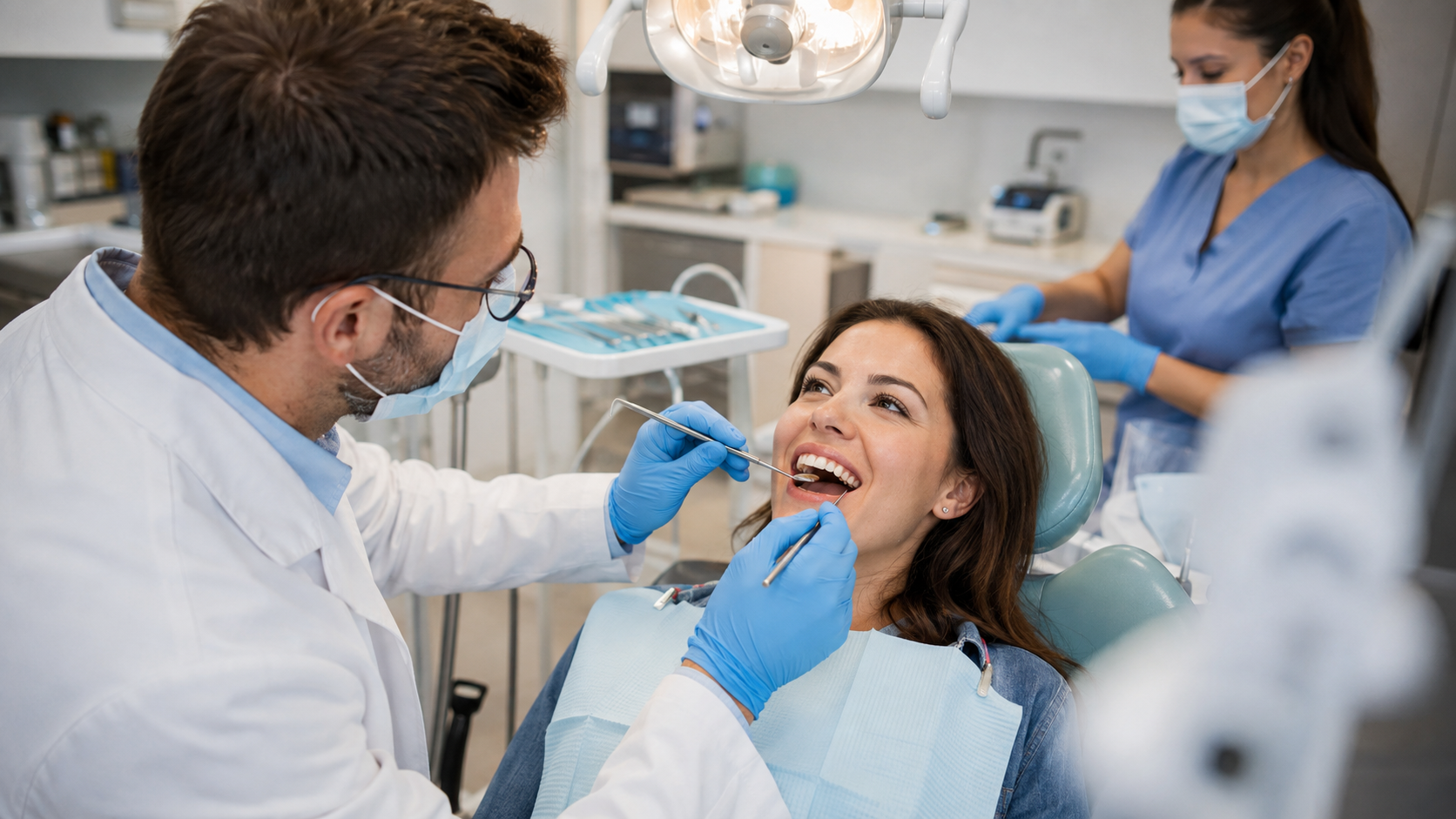
A consultation begins with a conversation. The patient can explain what they would like to change, whether they have worn braces before, and what concerns they have about comfort, appearance, scheduling, or cost.
The dentist then examines the mouth and reviews the health of the teeth and gums. Cavities, gum inflammation, damaged dental work, or other active concerns may need attention before orthodontic treatment starts. Establishing a healthy foundation can help the patient care for the smile throughout the alignment process.
If Invisalign appears suitable, the practice can explain the proposed plan and what will be expected between visits. Patients should have an opportunity to ask questions before deciding whether to proceed. Helpful questions include:
- What changes may be realistic for this smile?
- Are there other treatment options to consider?
- Will attachments or additional procedures be needed?
- How often will progress be evaluated?
- What is included in the quoted fee?
- What happens if an aligner is lost or damaged?
- Will retainers be needed after active treatment?
What is daily life with clear aligners like?
It often takes a little time to build aligners into a daily routine. The patient needs to remove them for meals, store them safely, clean them as directed, and put them back in afterward. Carrying a protective case can help prevent trays from being accidentally discarded or damaged.
Patients may notice pressure when beginning a new set of aligners. The experience varies from person to person, so any severe, unusual, or persistent discomfort should be reported to the treating dentist rather than ignored. Rough edges, damaged trays, or an aligner that no longer fits properly also deserve a call to the dental office.
Oral hygiene remains important during treatment. Food debris and plaque left on the teeth may become trapped beneath the trays. Brushing and flossing as instructed, cleaning the aligners, and continuing preventive dental visits all support a cleaner treatment experience.
Patients should follow the cleaning method recommended by their dental team. Hot water and harsh cleaning techniques may affect aligner material, while strongly colored products may make clear trays look less transparent. When in doubt, it is best to ask before trying a home cleaning method.
How long does Invisalign treatment take?
There is no single Invisalign timeline that applies to everyone. Treatment length depends on factors such as the starting position of the teeth, the complexity of the planned movements, the patient’s consistency, and how the teeth respond along the way.
A minor adjustment and a more complicated bite correction should not be expected to follow the same schedule. The dentist can provide an individualized estimate after examining the mouth and creating a treatment plan, but that estimate may change if progress differs from what was anticipated.
Follow-up appointments allow the dental team to assess fit and movement. In some cases, additional aligners may be recommended to refine the result. Patients should view these check-ins as an important part of treatment rather than optional visits.
How much does Invisalign cost in Wilmington, NC?
Invisalign cost varies because each case requires a different level of planning and care. Complexity, treatment length, the number of aligners, follow-up needs, and retainers can all influence the total fee. A short online price range cannot show what a particular patient will pay.
Before accepting treatment, patients should request a written estimate and ask exactly what it includes. Dental insurance may provide orthodontic benefits in some circumstances, but plans and eligibility rules differ. The dental office can help the patient understand available payment information, while the insurer can confirm the details of the individual policy.
Price is important, but it should not be the only consideration. Patients may also want to evaluate who will monitor their care, how questions or unexpected issues are handled, and whether the proposed treatment addresses both appearance and oral function.
What happens after the last aligner?
Finishing the planned aligner sequence does not necessarily mean that orthodontic care is over. Teeth can shift after treatment, so a dentist may recommend a retainer to help maintain their positions. The type of retainer and instructions for using it depend on the patient’s needs.
Patients should follow their retention plan and bring the retainer to dental visits when requested. A retainer that becomes damaged, uncomfortable, or difficult to seat should be evaluated promptly. Waiting may allow unwanted movement to occur.
Frequently asked questions about Invisalign
Is Invisalign only for adults?
No. Invisalign may be considered for both adults and some teens. Suitability depends on dental development, treatment needs, and whether the patient can manage removable aligners responsibly.
Can someone get Invisalign after having braces?
Possibly. Some people explore clear aligners because their teeth shifted after earlier orthodontic treatment. A dentist must evaluate the current tooth positions, bite, gum health, and previous dental work before recommending retreatment.
Can a patient eat while wearing Invisalign aligners?
Patients are generally instructed to remove their aligners for meals and follow the care directions provided by their dentist. The trays should be stored in their case rather than wrapped in a napkin, where they can be lost or thrown away.
Will Invisalign affect speech?
Some patients notice a temporary change in speech while becoming accustomed to the trays. Experiences vary. A fit problem or speech concern that does not improve should be discussed with the treating dental team.
Existing dental restorations do not automatically answer whether a person is a candidate. Restored and natural teeth may require different planning considerations. The dentist needs to review the location and condition of each restoration before developing a plan.
Existing dental restorations do not automatically answer whether a person is a candidate. Restored and natural teeth may require different planning considerations. The dentist needs to review the location and condition of each restoration before developing a plan.
Is Invisalign better than braces?
Neither option is best for every patient. Invisalign offers removability and a discreet appearance, while fixed braces may be more appropriate for certain movements or for patients who do not want to manage removable trays. A clinical evaluation can clarify the advantages and limitations of each option.
Exploring Invisalign in Wilmington, NC
Choosing to straighten a smile is personal, and patients deserve clear information before making that decision. Wilmington Smile Design Center offers Invisalign in Wilmington, NC, with treatment planned around the individual patient rather than a one-size-fits-all promise.
Those who are curious about candidacy, cost, comfort, or the treatment process can schedule a consultation with Wilmington Smile Design Center at 701 Piner Rd #160, Wilmington, NC 28409. The team welcomes questions and can help patients understand whether clear aligners or another approach may suit their smile. Visit the practice’s contact page to request a convenient appointment.