
Choosing orthodontic care is about more than getting straighter teeth. The right treatment can make a smile easier to clean, address certain bite concerns, and help a patient feel more confident. However, with several modern options available, it is not always easy to know where to begin.
For patients considering orthodontics in Wilmington, NC, the best choice depends on their alignment needs, daily habits, oral health, and personal preferences. Understanding how the available treatments differ can make the consultation process feel much more manageable.
This article provides general educational information and is not a diagnosis or a substitute for personalized dental advice. A qualified dental professional should evaluate orthodontic concerns and recommend appropriate treatment.
Why Consider Orthodontic Treatment?
Many people seek orthodontic care because they would like a more even smile. Appearance is a valid reason for treatment, but orthodontics may offer practical benefits as well.
Overlapping or tightly crowded teeth can create areas that are difficult to brush and floss. Spacing and bite concerns may also affect how the teeth come together. Depending on the individual case, orthodontic treatment may be used to address:
- Crowded or overlapping teeth
- Spaces between teeth
- Teeth that appear rotated or tilted
- Certain overbites, underbites, crossbites, or open bites
- Teeth that have shifted after previous orthodontic treatment
Not every irregularity requires treatment, and not every orthodontic system can correct every concern. A clinical examination helps determine whether treatment is recommended and which approach is likely to be suitable.
Orthodontic Options Available in Wilmington
Modern orthodontics is no longer limited to highly visible metal braces. Wilmington Smile Design Center offers options including Invisalign, Six Month Smiles®, and clear braces. Each method has different advantages, limitations, and care requirements.
Invisalign Clear Aligners
Invisalign uses a planned series of custom-made, nearly undetectable aligners to move teeth gradually. The trays fit over the teeth and can be removed for eating, brushing, and flossing.
Clear aligners often appeal to adults and teens who want a discreet option or who prefer not to change the foods they eat. Because the trays are removable, patients can continue their usual brushing and flossing routines without working around brackets.
That convenience comes with responsibility. Aligners must be worn according to the prescribed schedule, removed before eating or drinking anything other than permitted beverages, and cleaned properly. A patient who frequently forgets or loses trays may have more success with a fixed treatment.
Clear aligners can address many mild to moderate orthodontic problems, but they are not automatically the best answer for every bite or tooth movement. The Cleveland Clinic’s overview of braces notes that more complex cases may be better suited to conventional braces. An examination is necessary to determine candidacy.
Clear Braces
Clear braces work with brackets and wires but are designed to look less noticeable than traditional metal braces. Because they stay attached to the teeth, patients do not need to remember to put them back in after meals.
This option may suit someone who wants the dependable structure of fixed orthodontics with a more subtle appearance. Brushing and flossing require extra attention because food and plaque can collect around brackets and wires. Patients also need to follow any food-related instructions provided by their dental team to reduce the chance of damaging the appliances.
Six Month Smiles
Six Month Smiles is another orthodontic option offered by Wilmington Smile Design Center. Despite the name, no treatment duration should be assumed before an examination. Timing depends on the teeth being moved, the complexity of the case, biological response, and patient cooperation.
This approach may be considered for selected cosmetic alignment goals, but it is not appropriate for every bite concern. A provider can explain what the system would address, what it would not change, and whether a more comprehensive option would better support the patient’s goals.
How to Compare Orthodontic Treatments
There is no single “best” orthodontic system for everyone. The most appropriate choice is the one that can safely address the clinical concern while fitting realistically into the patient’s life.
Start With the Type of Tooth Movement Needed
The position of the teeth and the way the upper and lower jaws meet should guide the decision. A treatment that works well for minor spacing may not be suitable for a more complex bite problem.
Patients can ask the provider to explain which movements are needed and why a recommended system is appropriate. If a case requires care beyond the practice’s scope, a referral to an orthodontic specialist may be recommended.
Consider Daily Habits
Removable aligners require consistent wear. Fixed braces require careful cleaning and attention to food choices. Neither option is completely maintenance-free.
A patient who is organized and comfortable following an aligner schedule may appreciate a removable system. Someone who does not want to keep track of trays may prefer a fixed option. An honest discussion about routines can prevent frustration later.
Think About Appearance and Comfort
Clear aligners are discreet, while clear braces offer a less visible form of fixed treatment. Both may cause temporary pressure or tenderness as the teeth begin moving or after an adjustment.
Orthodontic appliances should not cause severe or persistent pain. Patients should contact their provider if they experience pain that does not improve, a broken bracket or wire, facial trauma, gum bleeding, or signs of infection. The dental team can also help with rough edges or areas that irritate the cheeks and lips.
Ask About Oral Hygiene
Healthy teeth and gums provide the foundation for orthodontic care. Active decay, significant gum inflammation, or other untreated dental problems may need attention before tooth movement begins.
During treatment, brushing, flossing, and professional preventive visits remain important. Patients using aligners should clean their teeth before replacing the trays whenever possible. Those with braces may benefit from floss threaders, interdental brushes, or other tools recommended by the dental team.
What Happens at an Orthodontic Consultation?
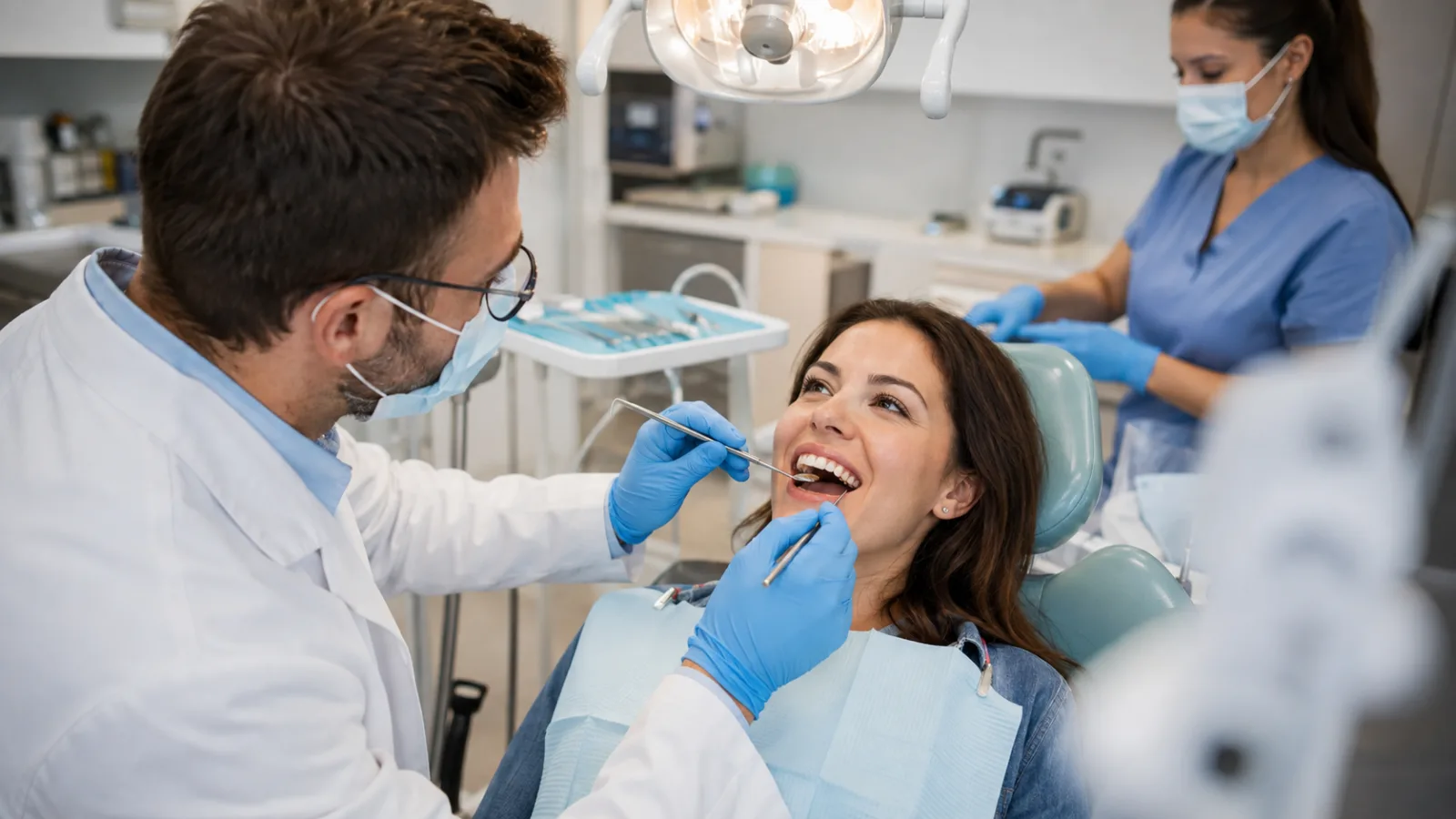
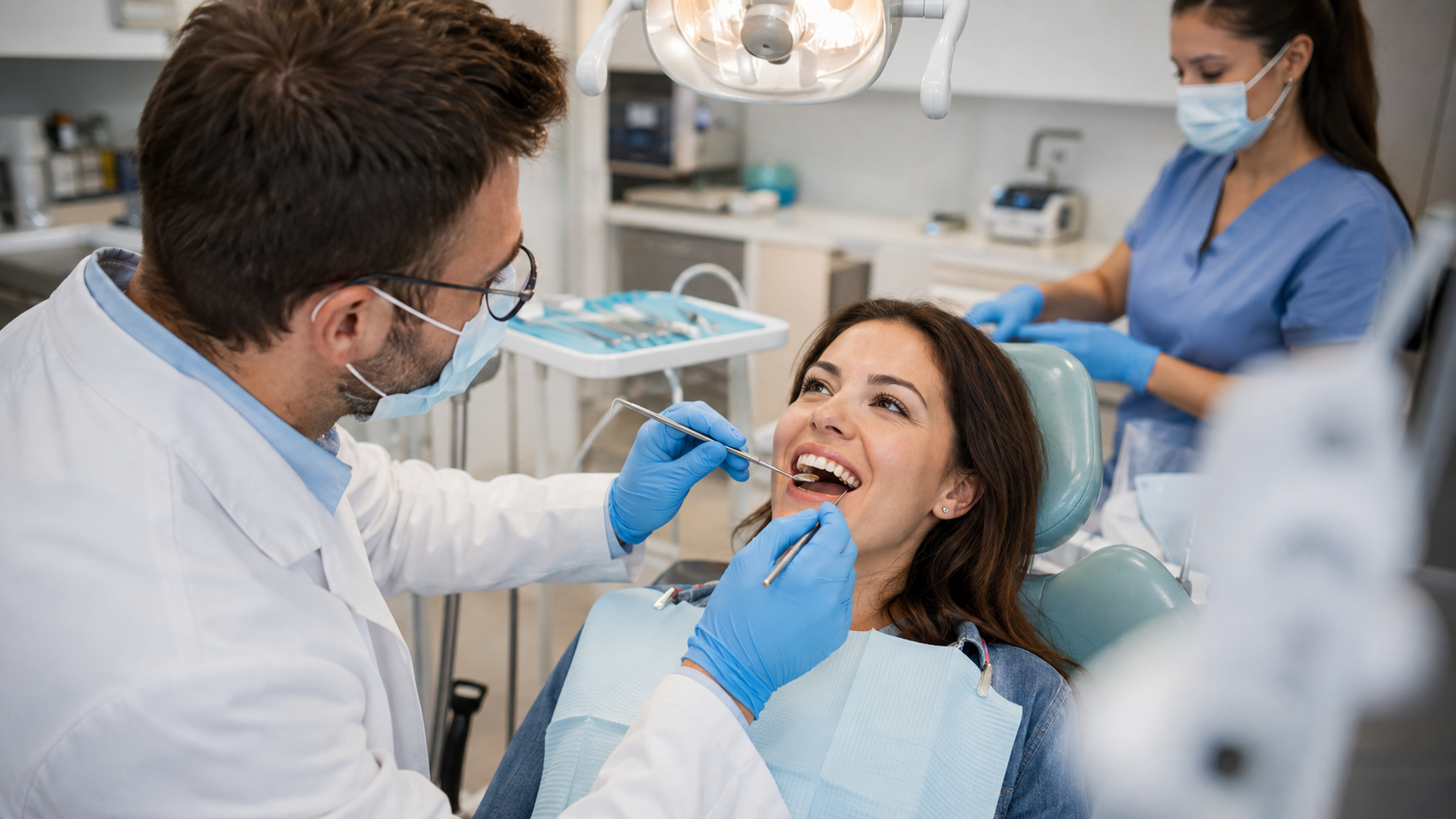
An orthodontic consultation gives the provider an opportunity to understand the patient’s concerns and evaluate the teeth, gums, and bite. Depending on the case, records such as photographs, scans, impressions, or dental X-rays may be recommended.
The provider should review:
- The alignment or bite concerns identified during the examination
- Suitable treatment options and reasonable alternatives
- The expected responsibilities of the patient
- An estimated treatment sequence and timeframe
- Potential limitations and risks
- Retention after active treatment
- Fees, insurance considerations, and payment arrangements
This is also the right time to discuss past dental treatment, jaw discomfort, medications, health conditions, pregnancy, or previous orthodontic care. Complete information helps the provider plan treatment more safely.
How Long Does Orthodontic Treatment Take?
Orthodontic timing varies considerably. It depends on the starting position of the teeth, the complexity of the bite, the treatment system, and how consistently the patient follows instructions. Missed visits, broken appliances, poor aligner wear, or untreated oral health concerns may affect progress.
Patients should be cautious about assuming that a product name or another person’s experience predicts their own timeline. After reviewing appropriate records, the provider can offer an individualized estimate. Even then, the estimate may change as the teeth respond.
What Affects the Cost of Orthodontics?
Orthodontic fees are usually based on the complexity and extent of treatment rather than the appearance of the appliance alone. Factors may include the type of system, required records, anticipated treatment needs, follow-up care, and retainers.
Dental insurance coverage differs by plan. Some policies include an orthodontic benefit, while others exclude adult treatment or set a lifetime limit. Before starting, patients should request a written estimate that explains what is included and what insurance is expected to cover. Flexible spending account or health savings account funds may also be available when plan rules permit.
Retainers Protect the Result
Finishing aligners or removing braces is not the end of orthodontic care. Teeth naturally tend to shift, so retainers are commonly prescribed to help maintain the new positions.
Retention instructions vary. Some patients receive removable retainers, while others may have a thin fixed retainer placed behind selected teeth. Wearing and caring for the retainer as directed is one of the most important ways to protect the time and effort invested in treatment.
Frequently Asked Questions
Are clear aligners better than braces?
Neither option is universally better. Clear aligners are removable and discreet, while braces remain attached and may provide advantages for certain tooth movements. The right choice depends on the clinical findings, patient preferences, and ability to follow the treatment plan.
Is orthodontic treatment only for teenagers?
No. Adults may pursue orthodontic treatment when their teeth and supporting tissues are healthy enough for movement. Age alone does not determine candidacy, although existing restorations, gum health, bone support, and other dental needs may influence the plan.
Does orthodontic treatment hurt?
Temporary pressure or tenderness can occur when treatment begins, after braces are adjusted, or when a new aligner is introduced. Severe, worsening, or persistent pain is not something to ignore. Patients should contact their dental provider for guidance rather than attempting to repair or adjust an appliance themselves.
Can a patient switch from braces to aligners?
Sometimes a treatment plan can be modified, but switching is not always advisable or cost-neutral. The provider must evaluate current progress, remaining tooth movements, and whether aligners can complete the intended correction.
Will insurance pay for orthodontics?
Coverage depends on the specific insurance policy. Patients should check age restrictions, waiting periods, lifetime maximums, and network requirements. The dental office can help provide treatment information, but the insurer makes the final benefit determination.
Take the Next Step Toward a Healthier Smile
Choosing orthodontic treatment becomes easier when patients understand their needs and have a chance to compare realistic options. A personalized evaluation can clarify whether Invisalign, clear braces, Six Month Smiles, another approach, or a specialist referral is appropriate.
Wilmington Smile Design Center provides personalized orthodontic care for patients in Wilmington, NC, and nearby communities. Dr. Michele Simpson has advanced training in orthodontics and works with patients to develop plans based on their oral health, goals, and lifestyle.
Those who are ready to explore their options can learn more about orthodontic services or schedule a consultation at Wilmington Smile Design Center, located at 701 Piner Road, Suite 160, Wilmington, NC 28409. Questions are welcome, and a conversation is the best place to begin.