
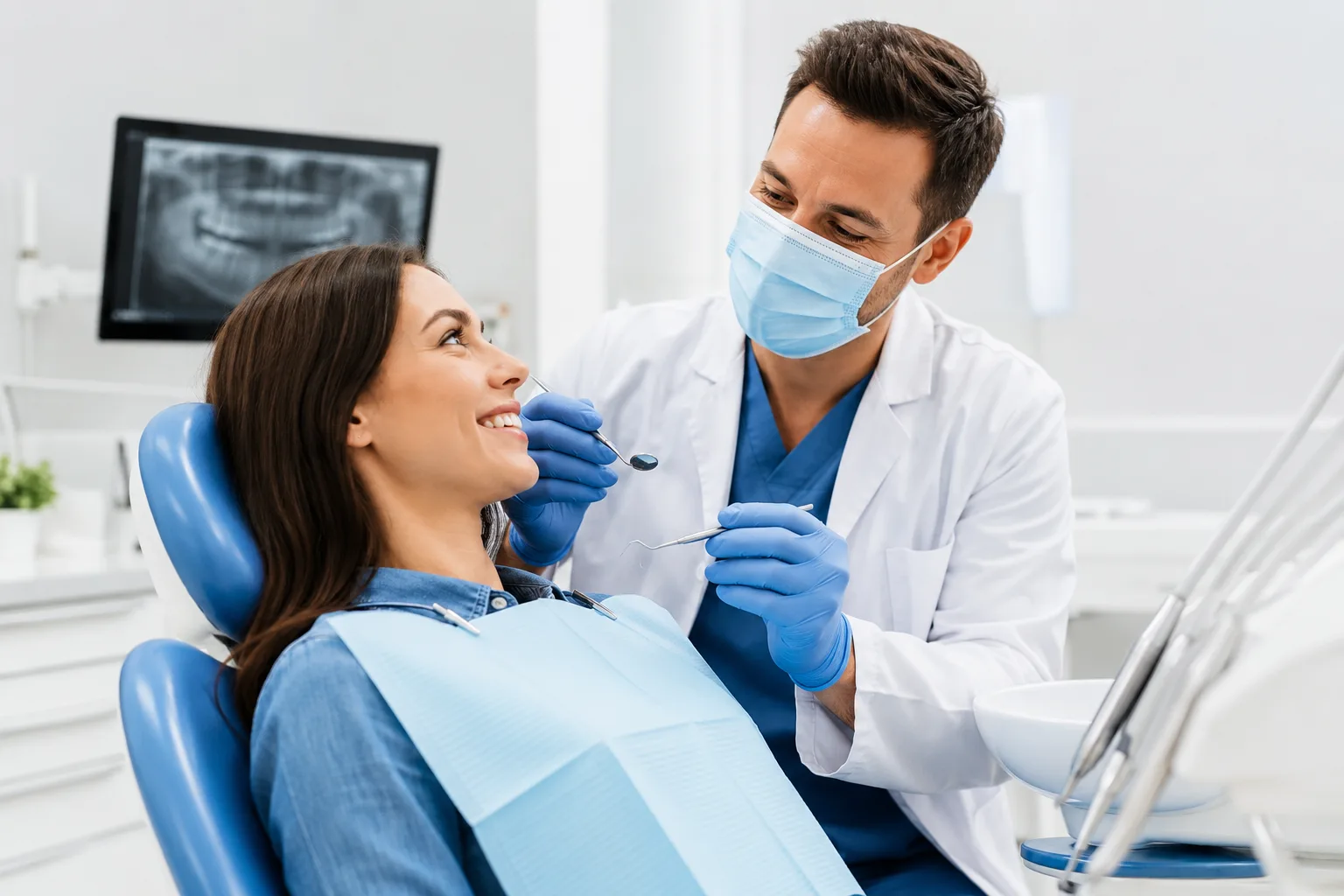
A brighter smile can make a person feel more confident in photographs, at work, or during everyday conversations. Yet with whitening strips, toothpastes, online kits, and professional treatments all competing for attention, choosing the right approach can feel confusing.
For patients considering teeth whitening in Wilmington, NC, the best place to begin is with a clear understanding of what whitening can—and cannot—do. Professional guidance can help identify the cause of discoloration, protect sensitive teeth and gums, and set realistic expectations for the final shade.
This article provides general education and is not a diagnosis or a substitute for personalized dental advice. A dentist should evaluate oral health, sensitivity, restorations, and treatment goals before whitening begins.
Why Do Teeth Become Stained?

Natural teeth are not usually bright white. Their shade varies from person to person, and they often become darker or more yellow over time. This does not necessarily mean that the teeth are unhealthy.
Common sources of surface staining include:
- Coffee and tea
- Red wine and dark-colored beverages
- Tobacco use
- Dark sauces and strongly pigmented foods
- Gradual buildup between professional cleanings
Other types of discoloration develop inside the tooth. Aging, dental trauma, certain medications, and changes within the tooth structure may all affect color. These deeper stains do not always respond to whitening in the same way as ordinary food and drink stains.
That distinction matters. If a tooth is noticeably darker than the teeth around it, or if the color changed after an injury, a dental examination is more appropriate than simply applying a whitening product.
How Professional Teeth Whitening Works
Most whitening treatments use a peroxide-based gel. The whitening agent moves into the tooth structure and helps break apart compounds that create visible discoloration. This changes how light reflects from the teeth, making the smile appear brighter.
Whitening does not remove part of the tooth or cover it with another material. It is also different from a professional cleaning. A cleaning removes plaque, tartar, and some external stains, while whitening changes the appearance of discoloration within the tooth.
The American Dental Association’s MouthHealthy resource explains that patients may choose chairside bleaching or dentist-provided trays for use at home. The appropriate method depends on the condition of the teeth, the desired pace, and the patient’s history of sensitivity.
In-Office Whitening Versus Take-Home Whitening
In-office whitening
In-office whitening is designed for patients who want a convenient, supervised appointment. Before applying the gel, the dental team protects the gums and other soft tissues. The whitening material is then placed on the visible tooth surfaces and monitored during treatment.
The main advantage is professional oversight. The dentist can select an appropriate product, manage contact with the gums, and watch for discomfort. Chairside whitening may also appeal to someone preparing for a wedding, reunion, graduation, or another upcoming event.
Results vary because every smile starts with a different natural shade and type of stain. Whitening should brighten a smile rather than create an artificial, identical shade for every patient.
Dentist-supervised take-home whitening
Take-home whitening allows the patient to brighten the teeth more gradually. A dental office may provide trays and whitening gel along with instructions covering how much gel to use, how long to wear the trays, and what to do if sensitivity occurs.
This approach can be convenient for someone who prefers to whiten at home or wants more control over the pace. Consistency is important: using extra gel or wearing trays longer than directed does not guarantee better results and may increase irritation.
Over-the-counter products
Whitening toothpastes, strips, pens, and generic trays are widely available. Some can reduce mild surface staining when used correctly, but they offer less customization than care supervised by a dentist. Poorly fitting products can also allow whitening material to contact the gums.
Whitening toothpaste generally works by polishing away surface stains rather than changing deeper tooth color. A highly abrasive product or excessive use may not be suitable for every smile. Patients with gum recession, worn enamel, cavities, or persistent sensitivity should ask a dentist before experimenting with whitening products.
Who Is a Good Candidate for Teeth Whitening?
Whitening is often considered by adults with healthy teeth and gums who want to reduce yellow or brown discoloration. However, an evaluation should come first. Tooth decay, cracked teeth, exposed roots, or active gum irritation may need attention before cosmetic treatment.
Existing dental work is another important consideration. Tooth-colored fillings, bonding, veneers, crowns, and bridges do not respond to bleaching in the same way that natural teeth do. If restorations appear in the smile line, a dentist can discuss how whitening may affect the overall color match.
Professional whitening may not be the best solution for every type of discoloration. A dental professional may recommend another cosmetic option when stains are especially deep, when tooth shape is also a concern, or when an existing restoration determines the visible shade. Wilmington Smile Design Center notes that whitening may also be considered as one part of a personalized smile makeover.
Does Teeth Whitening Cause Sensitivity?
Temporary tooth sensitivity is one of the most common concerns about whitening. According to the American Dental Association, peroxide may reach the dentin beneath the enamel and temporarily irritate the nerve within the tooth. Whitening material that touches the gums may also cause irritation.
Sensitivity does not affect everyone equally. A dentist may adjust the whitening concentration, shorten the exposure time, recommend spacing out applications, or suggest a toothpaste intended for sensitive teeth. Following the provided instructions is one of the simplest ways to reduce avoidable discomfort.
If pain is severe, affects only one tooth, persists after treatment stops, or occurs with swelling, the patient should contact a dentist. Those signs should not be assumed to be routine whitening sensitivity.
What to Expect at a Whitening Consultation
A whitening consultation is usually straightforward and focused on the patient’s goals. The dental team may:
- Ask what the patient likes and dislikes about the current tooth shade.
- Review previous sensitivity and dental treatment.
- Examine the teeth, gums, and visible restorations.
- Discuss whether a cleaning or other care should happen first.
- Compare professional whitening options and likely limitations.
- Explain fees, instructions, and maintenance needs.
This is also the right time to mention a specific deadline. Whitening immediately before a major event can create unnecessary pressure, especially if the teeth become sensitive or restorations need to be coordinated with the new shade.
How Much Does Teeth Whitening Cost in Wilmington, NC?
The cost of teeth whitening in Wilmington can vary according to the treatment method, materials, level of professional supervision, and whether custom trays or maintenance products are included. An in-office visit and a take-home system may have different fees.
Cosmetic whitening is commonly paid for out of pocket, although benefit plans differ. Patients should request a written estimate directly from the dental office rather than relying on a generic online price. The estimate should clarify what is included and whether future touch-ups require an additional purchase.
Price is only one part of the decision. A very inexpensive product may not fit well or may be inappropriate for the type of stain. A professional consultation provides an opportunity to identify dental concerns before they become more uncomfortable or costly.
How to Maintain a Brighter Smile
Whitening results are not permanent because the teeth remain exposed to food, drinks, and natural aging. However, everyday habits can help preserve a brighter appearance.
- Brush twice daily with a fluoride toothpaste.
- Clean between the teeth each day.
- Attend regular dental examinations and cleanings.
- Rinse with water after coffee, tea, or other dark beverages.
- Avoid tobacco products.
- Follow the dentist’s instructions for occasional touch-ups.
The American Dental Association emphasizes professional supervision, proper customization, good oral hygiene, and attention to stain-causing drinks when maintaining whitening results.
Patients should not continuously whiten to chase an unnaturally bright shade. Overuse can increase sensitivity and irritate the gums. A dentist can help determine when a touch-up is reasonable.
Frequently Asked Questions About Teeth Whitening
Is professional teeth whitening safe?
Whitening has a strong safety record when an appropriate product is used as directed and the patient’s oral health has been evaluated. Professional supervision helps protect the gums and account for cavities, exposed roots, sensitivity, and existing dental work. Overusing any whitening product may cause problems, so directions matter.
Will whitening work on crowns, veneers, or fillings?
Whitening gels are intended to brighten natural tooth structure. They do not predictably change the color of crowns, veneers, bonding, or tooth-colored fillings. A dentist should evaluate visible restorations and discuss how to maintain an even-looking smile.
How white will the teeth become?
There is no single guaranteed shade. The outcome depends on the starting color, the source of discoloration, tooth structure, and treatment method. The goal is usually a natural-looking improvement that complements the patient’s features.
Should the teeth be cleaned before whitening?
A dental examination can determine whether a cleaning would be helpful first. Removing plaque, tartar, and surface deposits may allow the whitening process to be planned more evenly. Any active oral health concern may also need to be addressed before cosmetic treatment.
Can someone whiten teeth while experiencing tooth pain?
No new whitening routine should begin until unexplained pain has been evaluated. Discomfort may come from decay, a crack, gum recession, or another issue that whitening cannot correct. Applying whitening gel could make an already sensitive area feel worse.
Explore Teeth Whitening in Wilmington, NC
The right whitening plan should balance appearance, comfort, convenience, and oral health. Instead of guessing which product to buy, patients can start with a conversation about the type of discoloration they have and the result they hope to achieve.
Wilmington Smile Design Center welcomes questions about cosmetic dentistry and teeth whitening at 701 Piner Rd #160, Wilmington, NC 28409. Patients interested in a brighter smile can contact the practice to request a consultation and learn which option may be appropriate for their needs.